
FPA Performance Training for Soccer: Is a $400-a-Month Investment Worth It?
FPA performance training for soccer players is a separate development option for athletes with goals beyond their regular team schedule. At Foro, FPA Performance is a $400-per-month program associated with daily training, FORO SC practice with Michel Garbini, recruiting-file development, and highlight-video production. It is not a required step for every player. This guide explains what the stated program includes, what it does not promise, and how to assess whether the commitment makes sense alongside club soccer. For the broader development pathway, see the Foro to Pro pathway overview.
What does FPA Performance training include for soccer players?
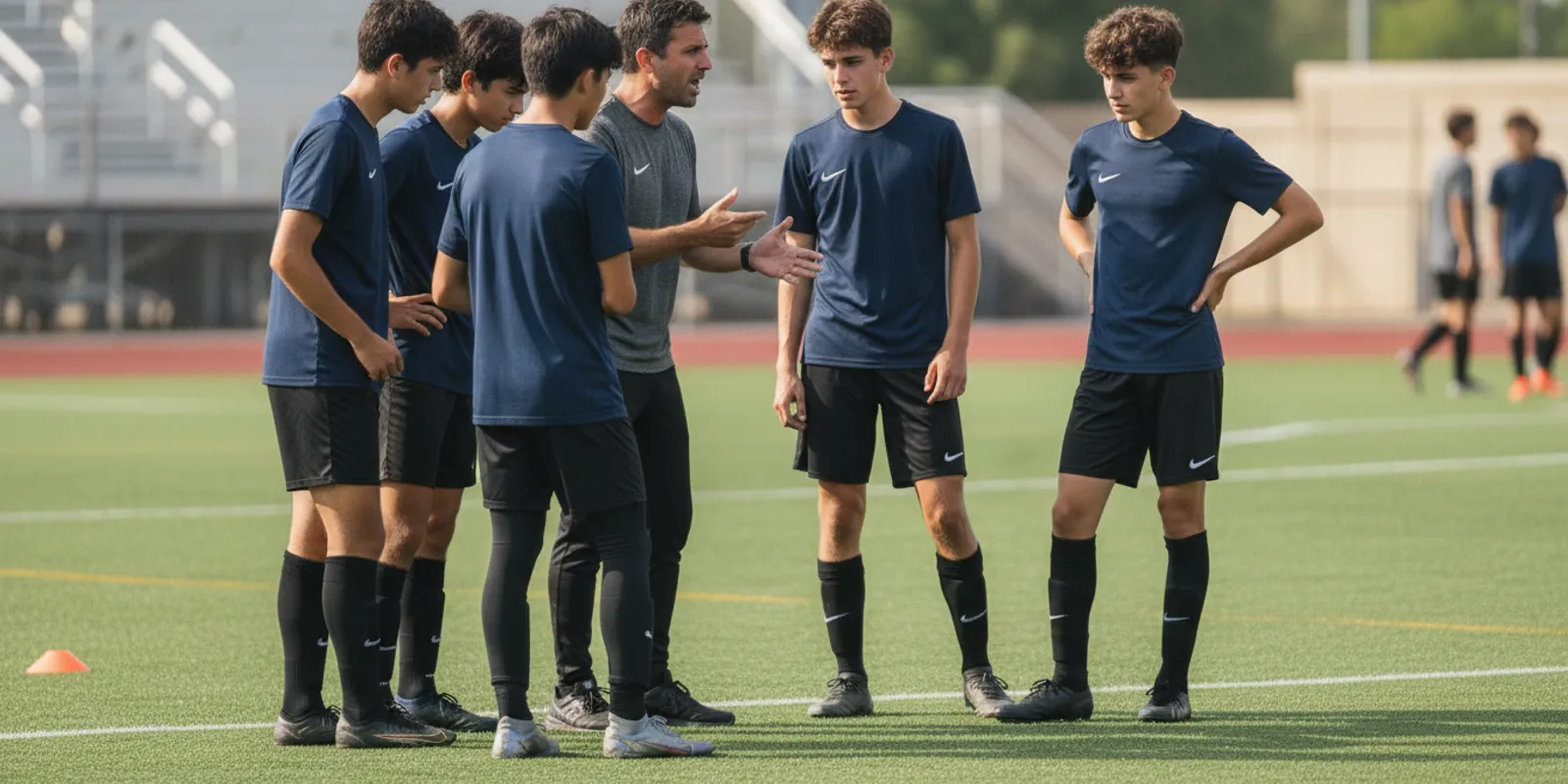
FPA Performance is described as a program for players pursuing college or pro-level opportunities. Its listed components go beyond a single fitness session: daily training, participation in FORO SC practice with Michel Garbini, recruiting-file development, and highlight-video production. The combination matters because player development, team play, and preparation to be seen by coaches are related but distinct needs.
Daily training gives the program a more frequent rhythm than a once-a-week add-on, but families should ask what “daily” means for the player’s specific schedule. Confirm which days are required, what sessions include, how attendance is tracked, and how the plan changes around matches, school, travel, or recovery. The available program description does not specify session length, a weekly calendar, or an individualized plan, so those are sensible questions to ask rather than assumptions to make.
Ask for a concrete example of the first month. What does a player do during a typical session? Who leads it? Is it conducted individually, in a group, or as part of team practice? How does the coach identify a starting point and decide what to work on next? These answers help a family understand the actual experience behind the phrase “daily training.” They also make it easier to tell whether the schedule and coaching approach match the athlete’s needs.
Clarify how progress is reviewed. A useful conversation could cover what goals the player and coach set, when they revisit them, and how a player receives feedback. Do not assume a formal testing process or written report is included unless Foro confirms that. Ask what the family should expect in the first weeks and how concerns about fit can be raised.
FORO SC practice with Michel Garbini connects the player’s development to team training. Recruiting-file development and highlight-video production address a different part of the pathway: presenting a player’s background and play for review. A file or video can help organize information, but neither guarantees a roster spot, scholarship, or invitation. Players and families should understand what material is included, who contributes it, and whether the player has responsibilities for updating it.
FPA Performance is distinct from the broad range of group soccer training options and from team training. Ask which service is appropriate for the athlete’s current age, level, goals, and club commitments before treating one as a substitute for another.
How do FPA sessions differ from standard club conditioning?
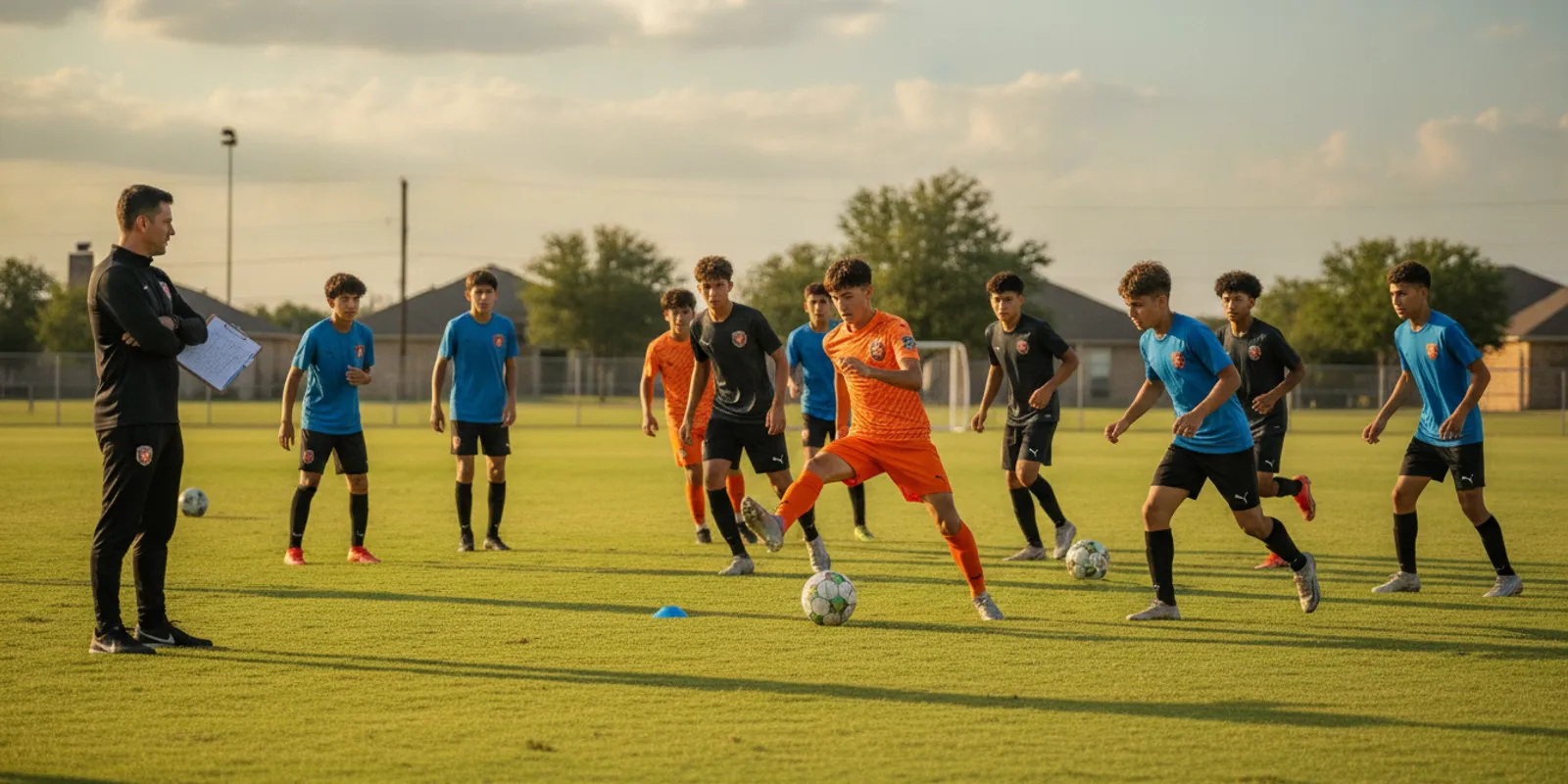
A team’s regular training typically serves the group’s shared practice needs: preparing for the next match, working on collective tactics, and developing habits within the team. A dedicated development program may combine more frequent player training with team practice and recruiting preparation. The key distinction is the scope of the work, not a claim that one format is automatically better.
Ask the coach to explain exactly what is individual and what is team-based. For example, does a player receive a personal development plan, or attend a shared session? How do coaches identify priorities? How does the work connect to the player’s position and match role? The answers will help you compare FPA with current club training without assuming that “more sessions” always means better progress.
It is also important to clarify what the program does not replace. If an athlete already has a club schedule, compare the calendars and discuss the combined weekly load with the people responsible for the player’s training. A meaningful plan should account for match days, school demands, travel, and rest—not just add sessions to the week. Foro’s program description does not publish a universal weekly template, so ask for the schedule and expectations that apply to the individual player.
Use the same questions when comparing any added program with a team’s existing work. Does the added schedule address something the player is not already getting? Is the focus coordinated with the athlete’s position and match responsibilities? Who should the player tell if they feel overloaded or are struggling to balance commitments? A clear answer can reveal whether an add-on fills a real need or simply duplicates activities. If the player trains with more than one organization, share that information with each coach instead of expecting them to coordinate without being asked.
Families should also distinguish soccer development from general fitness support. The program description identifies optional EXOS fitness, but it does not spell out its format, frequency, or whether it is included in the FPA price. Ask separately about those details. A player should not enroll in an additional component simply because it sounds advanced; the decision should follow the player’s goal, schedule, and the guidance of the coaches involved.
For players weighing a performance add-on, confirm whether any EXOS fitness sessions are included or optional. Foro describes pro fitness training through EXOS as optional, not a requirement for club participation. Get the exact scope and cost of any separate option in writing before making a decision.
Who benefits most from a dedicated performance training add-on?
FPA may be worth exploring for a player who has a clear college or pro pathway goal, wants a more intensive development routine, and is ready to take an active role in training and recruiting preparation. A player should be willing to communicate with coaches, follow through on agreed tasks, and balance the program with school, family, and existing team commitments.
It may be a poor fit if the player is still deciding whether competitive soccer is a priority, cannot consistently attend, or expects a monthly fee by itself to create recruiting opportunities. The program is not described as a mandatory club requirement, and a player does not need to purchase every optional service to take part in other Foro programs.
Parents and players can make the first conversation more useful by bringing specific context:
The athlete’s age, current team, position, and usual weekly schedule.
One or two development goals the player can describe in their own words.
Upcoming competitions, school obligations, and any schedule conflicts.
What recruiting steps have already been taken, if college soccer is a goal.
The amount of time and monthly cost the family can realistically commit.
Keep the player involved in the decision. A parent may manage logistics and cost, but the athlete needs to understand the expectations and choose to engage. The program’s listed recruiting support can be a conversation starter, not a substitute for the player’s effort or a promise of an outcome. Foro’s coach information can help families prepare questions about instruction and fit.
What does $400 a month get you in soccer fitness?
The stated FPA Performance price is $400 per month. Based on the available description, the program includes daily training, FORO SC practice with Michel Garbini, recruiting-file development, and highlight-video production. Avoid comparing the fee with a single private lesson: first identify the full set of activities covered, the attendance expectations, and what support is actually delivered to this player.
The description does not set out a per-session rate, contract term, enrollment fee, equipment costs, or a refund policy. Ask whether the monthly amount is fixed across the season, whether there are additional charges, how absences are handled, and what happens if a player joins partway through a month. These details make the comparison fair and prevent surprises.
To evaluate value, write down the services the athlete will actually use in a typical month and the goals each one supports. Then compare that list with the family’s current training calendar and budget. If recruiting materials are a priority, ask what documents the file contains, who prepares them, whether the player can update them, and what the video production process involves. If regular training is the main need, ask how often the athlete can attend and whether the sessions complement current team work. The monthly fee is only useful as a comparison when the service scope is clear.
It can also help to set a review point before enrollment. Agree on what would make the program feel worthwhile to the player—such as a workable routine, clear coaching communication, or completion of agreed preparation tasks—and when the family will revisit that decision. These are personal decision criteria, not promised program deliverables. They give the family a practical way to judge fit without treating a large club achievement or a recruiting goal as proof of individual results.
Option | What the available description says | What to verify before choosing |
FPA Performance | $400 per month; daily training, FORO SC practice with Michel Garbini, recruiting-file development, and highlight-video production are listed. | Days and hours, attendance rules, exact recruiting-file and video deliverables, additional fees, and schedule fit. |
Team training | FORO offers team training as a separate service. | Team eligibility, practice frequency, match commitments, and whether the program addresses the player’s goals. |
Group soccer training | Group training is offered separately from FPA. | Session format, age or level fit, schedule, and whether a separate recruiting component is included. |
Optional EXOS fitness | EXOS fitness training is described as an optional program. | Whether it is appropriate for the player, its schedule, and its separate price and terms. |
This comparison is about program scope, not an estimate of results. The plans page is another place to check current program information, but confirm the FPA fee and inclusions directly before enrolling. For college-bound players, use current eligibility information from the NCAA and confirm requirements for the relevant division and recruiting stage; a training program cannot determine eligibility on a player’s behalf.
How does FPA fit with a Foro SC weekly schedule?
The stated FPA components include FORO SC practice, so the right question is not simply whether a player can add more soccer. It is how the full calendar works. Ask for a sample week showing FPA activities, team practice, matches, and any optional sessions. Then check travel time, school hours, and recovery days against the player’s real routine.
Clarify whether the program is coordinated with the player’s current club or whether the player is expected to manage competing schedules. If the athlete plays for another team, explain that commitment before enrolling and ask how conflicts are handled. Do not assume that every FPA participant follows the same timetable or that every activity is compulsory; request the specific expectations for the player.
Families can use a simple weekly planning check:
Write down fixed school, work, family, and team commitments.
Mark matches and travel time, not just practice start times.
Ask Foro for the proposed FPA schedule and any attendance requirements.
Identify open time for meals, sleep, schoolwork, and recovery.
Revisit the plan after the first few weeks and raise conflicts early.
The point is to find a sustainable routine. If a schedule appears to leave no margin for school demands or recovery, ask whether it can be adjusted before committing to a monthly program.
How can a family decide whether the monthly fee is worthwhile?
Start with the length of the commitment, not just the monthly figure. At $400 per month, twelve paid months would total $4,800; that is a simple illustration, not a statement that enrollment requires a full year. Ask how billing works, what term applies, and whether a player may pause or stop under the actual agreement. Then compare the expected total with the time the athlete can realistically attend.
Next, sort the program components into three groups: the activities the player will use regularly, the support the player needs but does not currently have, and anything that is appealing but not essential to the player’s immediate goals. This can prevent a family from paying for a feature it does not understand or expect to use. It can also show that the value is not only the number of training days; recruiting preparation and connection to team practice may matter differently to different players.
Finally, ask the player to describe why they want the program. If the answer is only that a monthly fee should lead to a recruiting offer, pause and reset expectations. If the player can name goals, has room in the calendar, and understands that outcomes are not guaranteed, a conversation with Foro can help determine whether the documented services fit. The decision should be made after the family has the full schedule, written fee terms, and clear explanation of included services.
What outcomes can performance-trained players expect?
No responsible evaluation should promise a specific result from participation alone. Players can ask what progress the coaches review, how often feedback is shared, and what evidence will show whether the program is serving its purpose. Useful checkpoints may include agreed training goals, attendance, feedback on role-specific development, and completion of recruiting materials. These are discussion points for setting expectations, not a guarantee that every measure is part of FPA.
Foro describes its wider pathway as connected to 18 players and coaches who reached the pro level, as well as a 2021 UPSL national championship, 10 conference championships, four national-final appearances, and wins over pro clubs in the Lamar Hunt U.S. Open Cup. These are club-level history and pathway context; they should not be read as a forecast for an individual FPA participant. A player’s progress depends on many factors, including performance, opportunity, readiness, and their own decisions.
When discussing outcomes, ask for examples that relate to the player’s actual stage and goals, not only headline achievements. A younger athlete who is building a foundation may need different priorities from an older player preparing materials for college coaches. Ask how the staff decides which next steps are realistic, how the athlete will know what to work on, and whether a goal is within the program’s control. Development and recruiting involve decisions by people outside the club, so a good plan should separate the tasks the player can complete from outcomes no one can promise.
Players can also take responsibility for keeping their own records organized. Maintain an up-to-date playing history, note teams and positions, collect relevant academic information when needed, and keep approved game footage easy to review. Ask the coach which information should be included and how a highlight clip is selected. Do not post private contact details or other sensitive information publicly just to make a profile look complete. For college-specific questions, confirm current requirements with the relevant college association and institution.
For a fuller explanation of how team competition relates to the development pathway, read the Foro to Pro overview. For broader context on how competitive clubs work, see the soccer clubs guide. Keep the decision focused on the player’s current needs, not only on the most ambitious possible outcome.
Frequently Asked Questions
Is FPA Performance required to play for Foro?
No. FPA Performance and EXOS fitness are described as optional programs. Ask about the requirements for the specific team or service the player wants to join.
Does the $400 monthly fee guarantee recruiting interest?
No recruiting outcome is guaranteed. Recruiting-file development and highlight-video production are listed components, but families should confirm precisely what is delivered and understand that coaches and programs make their own decisions.
Can a player combine FPA with another club schedule?
That depends on the calendars and attendance expectations. Share the complete existing schedule with Foro and request a sample week before committing.
Is FPA only for players pursuing college soccer?
FPA is described for players aspiring to college or pro-level opportunities. Ask Foro whether the program fits the athlete’s particular goal and current stage.
Before deciding, compare the stated program components with the player’s goals, weekly commitments, and budget, then get answers about schedule and fees directly from Foro.

Comments