
How to Join an Amateur Soccer Club in Dallas Guide.
Joining a competitive soccer club is less about sending one message and more about finding a realistic fit. In the Dallas-Fort Worth area, players may be comparing recreational teams, amateur clubs, semi-professional environments, and development programs with different schedules, standards, and pathways.
To learn how to join an amateur soccer club, research teams that match your level and goals. Ask about evaluations and registration, prepare to show your current ability, and compare the coaching, competition, schedule, location, and expectations before committing.
An evaluation should work both ways: coaches assess your technical ability, decisions, work rate, communication, and team fit, while you learn whether the environment supports your development. Before contacting a club, it helps to understand what joining actually involves and what you should expect from the process.
How to join an amateur soccer club and understand the commitment
Joining an amateur soccer club means becoming part of an organized team environment without entering a fully professional employment structure. You are usually expected to train consistently, follow team standards, attend matches when selected, and communicate with coaches about your availability and development. The exact commitment varies widely, so "amateur" describes a level of the soccer pathway, not one universal schedule or experience.
Club, team, and league are different
A club is the broader organization. It may operate several teams divided by age, gender, ability, or competition level. A team is the specific group you would train and play with. A league organizes competition between teams and sets rules for registration, scheduling, and eligibility. Before contacting a club, identify whether you are asking about the organization generally or a particular roster.
This distinction matters because a club can offer more than one route into soccer. One team may be recreational and focused on participation, while another may train for demanding regional or national competition. Ask which team or program matches your age, experience, position, availability, and goals.
How the levels differ
Recreational soccer usually places the greatest emphasis on access, enjoyment, and basic development. It can be a useful starting point for a new player or someone returning to the sport. Amateur competitive soccer typically involves more structured training, stronger team expectations, and selection for matches, but players are not necessarily contracted as professional athletes.
Semi-professional soccer generally sits closer to the professional environment. It may involve higher training and competition demands, travel, formal league structures, and more selective rosters. Professional soccer is a separate employment and competition level, with players signed or contracted by a professional organization. Moving from one level to another is not automatic. It depends on fit, performance, readiness, roster needs, and the club's own process.
Where joining actually begins
The practical boundary is direct contact and an agreed evaluation or entry process. Research the club, ask about the appropriate team, confirm eligibility and expectations, then attend a tryout, evaluation, training session, or other intake step if the club uses one. An evaluation is a mutual fit assessment, not a guaranteed roster place.
Foro is a Dallas-based soccer development organization, and its documented offerings include structured training for youth players. If you are considering a local pathway, use the club's current information to confirm which evaluations, teams, and training opportunities are available now. Do not assume every program has the same requirements.
Setting | What to expect | Best first question |
Recreational | Access, enjoyment, basic development, and flexible entry | What experience and schedule fit this team? |
Amateur competitive | Structured training, organized matches, and clearer team expectations | What are the evaluation, attendance, and roster processes? |
Semi-professional | Higher demands, selective rosters, and more formal competition | What readiness and commitment does this team expect? |
How do you find the right amateur soccer club in Dallas?
The right club is not necessarily the one with the biggest name or the most demanding schedule. It is the program whose competition level, coaching approach, training commitment, location, and expectations fit your current goals. Start by comparing clubs on the same criteria, then contact the programs that still look realistic for your development and availability.
Compare the level and development environment
First, identify the level of play. A recreational team, competitive amateur side, and semi-professional club may all use the word "club," but they can differ significantly in training intensity. Match frequency, travel, roster expectations, and player commitment. Ask where the team competes, how players are evaluated, and what the staff expects between sessions. The goal is to find a challenge that pushes you without placing you in an environment where you cannot contribute or learn.
Coaching quality matters as much as the league name. Review the staff's playing and coaching background, and look for a clear training model rather than broad promises. A club should be able to explain how it develops technical ability, decision-making, fitness, and tactical understanding. You can review the coaching staff's experience as one example of the information worth checking before you reach out.
Check practical fit before you commit
Dallas-Fort Worth travel can turn a promising opportunity into an unsustainable one. Confirm the training days, match schedule, typical travel range, training location, registration process, and any required equipment. A strong program is not a good fit if you regularly miss sessions because of work, school, transportation, or family responsibilities. Also ask how the club communicates schedule changes and who handles player questions. The club's training program details can help you understand what information to clarify.
- Competition:
Does the level match your current ability and provide a clear next challenge?
- Coaching:
Can the staff explain its methods, feedback process, and player-development priorities?
- Training:
How often does the team train, and what happens between organized sessions?
- Schedule and location:
Can you attend consistently without an impractical Dallas-Fort Worth commute?
- Culture:
Do players and coaches communicate respectfully and compete with purpose?
- Expectations:
Are attendance, fitness, conduct, playing time, and roster decisions explained clearly?
- Registration:
Are the process, paperwork, equipment requirements, and any documented costs clear before you agree?
- Development fit:
Will the environment help you improve at your position and move toward your next soccer goal?
Use this checklist to narrow your options, not to chase a perfect club. A direct conversation can show whether the day-to-day environment matches what you found online. An evaluation can add useful evidence when the club offers one.
What should you ask before contacting a club?
A short, specific message helps a club understand what you are looking for and helps you decide whether the opportunity fits. Before reaching out, write down your age, preferred position, recent playing experience, current location, and the level of competition you want. Then ask questions that clarify the club's expectations rather than sending a general request to join.
Eligibility and team fit
Which age groups or birth years can currently contact the club?
Are there eligibility rules connected to age, school status, registration, or previous club participation?
Which positions and player profiles is the club evaluating?
Is the opportunity for a specific team, an open evaluation, training, or a broader player pool?
Do not assume that a club is accepting players at every age or position. Current team needs can change, so ask for a direct answer instead of relying on an old post or an informal comment.
Evaluation and training expectations
What does the evaluation or tryout involve?
Will the evaluation be individual, position-specific, or part of a team session?
How should a player register, and what information should be submitted beforehand?
How often does the team train, where are sessions held, and what attendance is expected?
What league or competition level does the team play?
These answers show more than whether a player can attend an evaluation. They reveal the weekly commitment, travel demands, playing environment, and level of competition. If you are comparing clubs, ask each organization the same core questions so you can make a useful comparison.
Registration, equipment, and costs
What registration steps are required after an evaluation?
Which equipment must the player provide, such as boots, shin guards, training clothing, or goalkeeper gear?
Are there club, league, registration, travel, or equipment costs, and when are they explained?
What is included in the club's regular training program?
You do not need to make a decision before you understand the full commitment. Ask for the complete cost structure in writing, without assuming that an advertised evaluation or training opportunity covers every later expense.
Next steps
Close by asking, "What should I do next, and who should I contact if I have questions?" Confirm the response, required forms, arrival instructions, and expected follow-up. Answers can vary by team and can change during the season, so verify current details directly with the club. This simple process makes learning how to join an amateur soccer club more practical and helps both the player and club start with clear expectations.
How should you prepare for an amateur soccer evaluation?
An evaluation is a chance to show how you train, think, communicate, and respond in a team environment. You do not need to arrive as a finished player, and preparation cannot guarantee selection. It can, however, help you present your current level clearly and give you a better basis for deciding whether the club fits your goals.
Train consistently in the weeks before the evaluation.
Keep working on the technical actions you use in matches, including receiving, passing, dribbling, finishing, defending, or goalkeeping actions that fit your position. Avoid trying to reinvent your game with an exhausting final session the night before. If you need structured preparation, use
team training for skill development, strategy, fitness, and coached sessions
as one possible resource.
- Be ready to explain your position and player profile.
Know your primary position, any secondary positions, your dominant foot, and the type of situations in which you are most effective. Be honest about your experience and the level of competition you have played. A clear answer helps a coach understand where to watch you, but stay open if the session asks you to adapt.
Manage fitness and recovery.
Arrive prepared to work, not depleted from excessive training. Keep your regular conditioning routine, sleep well, eat normally, and hydrate. Give yourself enough recovery time after demanding sessions. If you have an injury or ongoing limitation, communicate it before the activity begins and follow appropriate medical guidance. On hot Dallas-area days, the CDC advises athletes to pace activity, drink more water than usual, and stop activity if they feel faint or weak.
Review the CDC's heat-safety guidance for athletes
before outdoor training.
- Prepare optional film or a short player profile.
Video is not a substitute for performing in person, and you should not assume a club requires it. If you have useful match clips, organize a brief selection that shows your decisions and team actions rather than only highlights. A simple profile can include your name, age group, positions, recent club, and contact information. Share it only when the coach or club provides an appropriate way to do so.
- Pack the right equipment.
Bring the boots and shin guards you normally use, suitable training clothes, water, and any position-specific equipment you need. Check the club's instructions first. Do not assume a facility supplies everything, and do not arrive with unfamiliar equipment that distracts you from playing.
- Plan to be early and communicate clearly.
Confirm the location, field, start time, parking details, and contact person before leaving. Arrive with enough time to check in and warm up without rushing. If travel problems will make you late, send a concise message as soon as you know. Answer questions directly and ask for clarification when an instruction is unclear.
- Show coachability throughout the session.
Listen when coaches speak, apply feedback, and keep competing after a mistake. Communicate with teammates, make the next action useful, and contribute when the game moves away from you. Coaches are evaluating more than isolated skills, so your response to instruction and your behavior between plays matter too.
Afterward, ask what the next step is and when you should expect to hear from the club. Use that conversation to assess the training demands, schedule, and development fit for you. The right preparation helps both sides make a clearer evaluation without creating promises about the outcome.
What do coaches look for at a club evaluation?
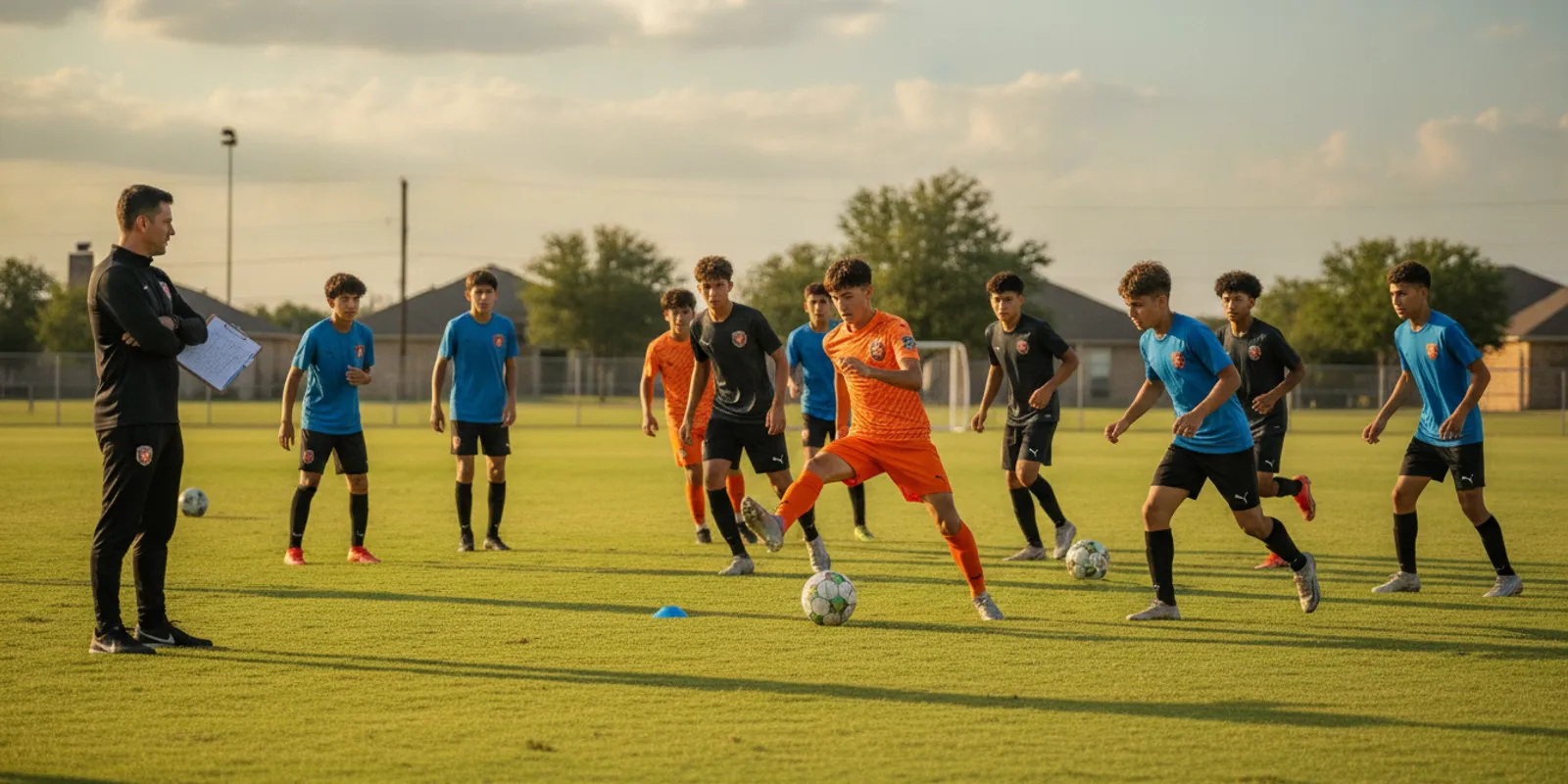
Coaches are usually watching how you play the game, not just whether you can complete one impressive drill. Expectations vary by level, position, age, and the team's current needs, so there is no single performance that guarantees selection. A strong evaluation gives you a chance to show reliable habits, respond to coaching, and contribute to the group.
Technical quality under pressure
Your first touch is an early signal. Can you control the ball into useful space, or does your touch put you under unnecessary pressure? Coaches may also assess the pace and accuracy of your passing, how quickly you receive with your body open. And whether you can use both feet when the situation calls for it.
Scanning matters just as much as technique. Look before the ball arrives so you understand your options. Then make decisions that fit the moment: play forward when the pass is on. Keep possession when it is not, and recognize when a simple choice is better than a risky one. Players who consistently see the next action can stand out without forcing spectacular plays.
Work rate, defending, and communication
Coaches notice what happens after you lose the ball. Do you recover your position, pressure with purpose, track a runner, or help a teammate close space? Defensive effort is not limited to defenders. Every position has responsibilities when the team is out of possession.
Communication is another practical part of team play. Use clear, useful information, such as calling for a switch, warning a teammate about pressure, or organizing a mark. You do not need to talk constantly. You do need to help the players around you.
Adaptability and team fit
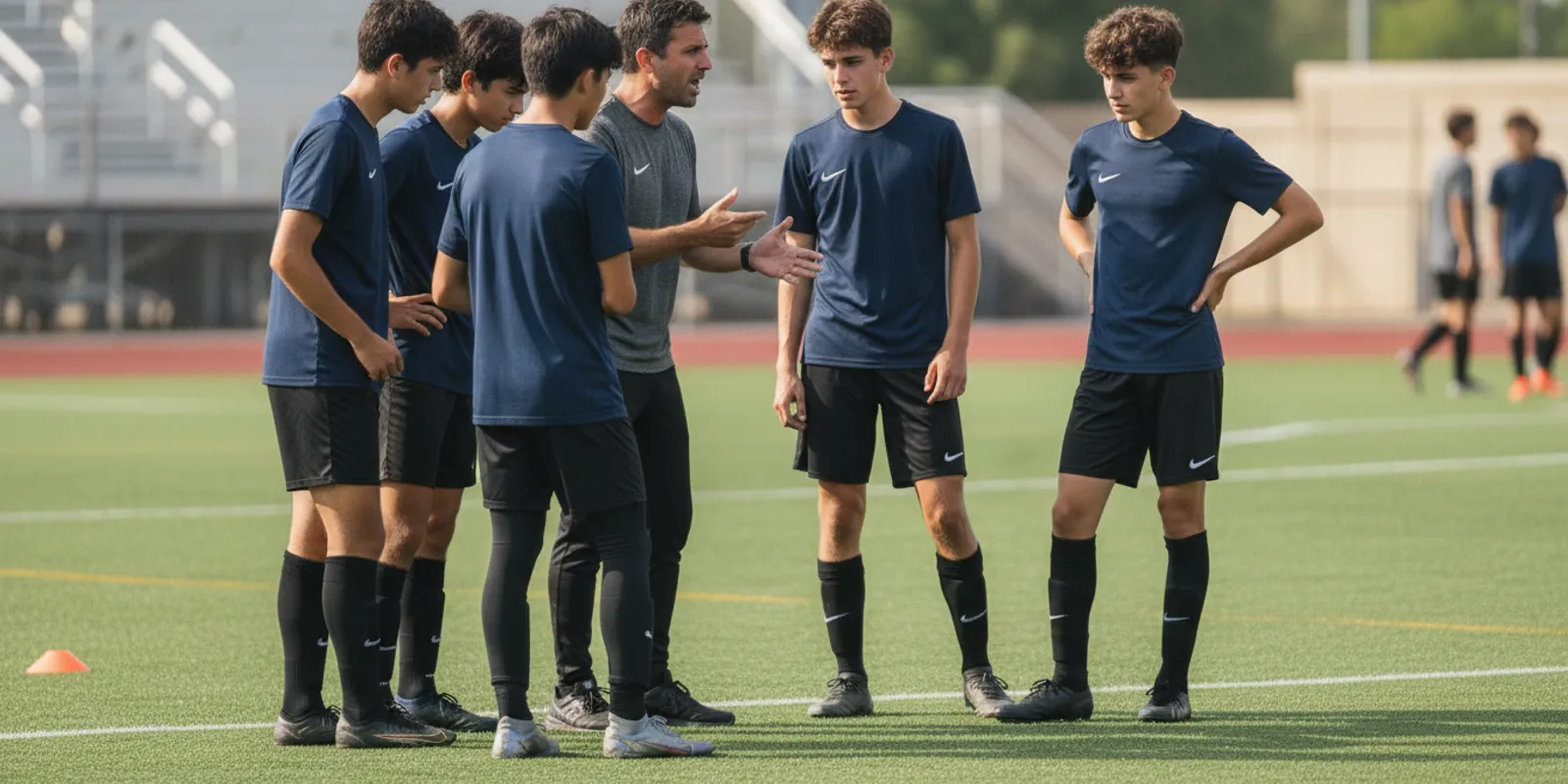
An evaluation may require you to change position, play in a different formation, or adjust to teammates you have never met. Treat those changes as information about your adaptability. Listen when a coach gives feedback, try the adjustment, and stay engaged if the session does not go exactly as planned. Coaches are evaluating how you respond, not only what you already know.
Team fit does not mean acting like someone else. It means competing seriously, respecting teammates, and making choices that support the group. Before you decide how to review a club's coaching staff and experience, remember that an evaluation works both ways. You are showing what you can offer, while also learning whether the coaching approach and level match your development goals.
How does joining an amateur club lead to a longer-term pathway?
Joining is the first decision point, not the finish line. After an evaluation or tryout, a club may recommend a roster, training group, developmental option, or another level that better matches the player's current readiness. That decision should consider more than one impressive moment. Position, technical ability, decision-making, fitness, attitude, availability, and team needs all affect fit.
What happens after the evaluation?
Ask what the next step includes before committing. A clear onboarding process should explain the expected training schedule, competition calendar, registration requirements, equipment, communication channels, and standards for attendance. Once a player joins, consistent training matters. Coaches can evaluate progress more accurately when they see how a player responds over time, applies feedback, competes with teammates, and handles changing game situations.
Competition then creates another layer of information. Match minutes, training performance, position changes, and feedback can help a player identify the next priority. Reassessment may lead to a different roster, a stronger training group, a new position, or a decision to explore another club. That is not failure. The best fit can change as a player's goals, schedule, level, and location change.
Foro as a documented Dallas example
Foro Soccer Club illustrates how an amateur development pathway can connect regular training with higher-level competition. The club is associated with UPSL, APSL, and The League for Clubs. Foro reports 10 conference championships, the 2021 UPSL national championship, four national-final appearances, and 18 players and coaches who reached the professional level. These are documented club achievements, not promises that every player will earn a roster spot or professional opportunity.
Players should also separate core club participation from optional support. FPA performance sessions and pro fitness training through EXOS may be considered when they fit a player's needs, but they are not mandatory requirements for every player. Review the Foro Soccer Club pathway and evaluation information, then ask specific questions about current evaluations, team fit, training expectations, and next steps.
When deciding how to join an amateur soccer club, choose the environment that gives you a realistic opportunity to train consistently. Compete at the right level, receive useful feedback, and keep progressing. A longer-term pathway is built through repeated work and informed decisions, not a single evaluation.
What should you do after a soccer club evaluation?
The evaluation is not the end of the decision. It is the point where you gather enough information to decide whether the club, team, and expectations fit your goals. Before leaving, thank the coaches and staff for their time. A short, respectful conversation also gives you a chance to show the communication and professionalism expected in a competitive environment.
Ask when you should expect an update and what happens next. The club may have another evaluation, a follow-up conversation, an invitation to train, or a registration process. Do not assume that silence means selection or rejection. Confirm the communication method, the person responsible for follow-up, and the approximate timeline. If the staff cannot provide an exact date, ask when it would be appropriate to check back.
Use the follow-up period to clarify the practical details that affect your decision. Confirm:
Which team or training group is being considered.
Training days, locations, attendance expectations, and competition schedule.
Registration requirements, fees, equipment, and other commitments.
Whether roster openings are currently available.
How coaches provide feedback and measure player development.
Exact dates, fees, roster openings, and selection outcomes should come directly from the club. They can change by team, age group, season, or competition level, so avoid relying on an old social media post or another player's experience.
Finally, assess the fit without pressure. Consider whether the coaching approach was clear, the training environment felt serious and respectful, and the level of competition matches your readiness. Think about travel, schedule, cost, and the balance between immediate playing time and long-term development. A club does not become the right choice simply because it offers a fast answer, and an evaluation is not a commitment to accept an offer.
Once you have the club's answers, compare them with your goals and ask any remaining questions before agreeing to join. The FAQ below addresses common questions about club value, age, and longer-term soccer pathways.
Frequently Asked Questions
Is joining an amateur soccer club worth it?
It can be worthwhile if the club matches your goals, schedule, playing level, and budget. A good fit gives you structured training, regular competition, coaching feedback, and teammates who support consistent development. Before committing, ask about training frequency, team expectations, evaluation steps, registration, travel, and total costs. An evaluation should help both sides assess fit, not guarantee a roster place.
How do I join a professional soccer club?
Most players start by researching the club's published pathway, contacting the appropriate staff, and asking about evaluations, eligibility, and team needs. For many players, an amateur or semi-professional club provides a practical environment to build match experience, receive feedback, and demonstrate consistency. No club can promise professional advancement, so compare the coaching, competition, development support, and next steps rather than relying on a single trial.
What age is best to join a soccer team?
There is no single best age. The right time depends on the player's goals, experience, physical readiness, schedule, and the type of team available. Younger players may focus on fundamentals and enjoyment, while older competitive players may prioritize position-specific development, stronger competition, and a clear progression plan. Ask whether the program is designed for your age group and current level before registering.
Is 12 too old to start soccer?
No. A 12-year-old can begin developing technical skill, game understanding, fitness, and confidence through age-appropriate training. Progress depends more on consistent practice, realistic expectations, and supportive coaching than on starting at a particular age. Look for a club that can explain how new players are evaluated, where beginners fit within the program, and what training plan will help the player improve safely.
Ready to Explore Your Next Soccer Step?
The right evaluation can help you understand how a club's training environment, competition, and expectations fit your goals. Contact Foro to ask about current player evaluations and learn which next step may be appropriate for you. Contact Foro about player evaluations and bring any questions about preparation, team fit, or the evaluation process.

Comments