
Soccer Tryouts in Dallas for Adults: What Foro SC Looks for in New Players
Looking for soccer tryouts in Dallas for adults? If you want more than casual pickup, an evaluation can help you understand whether a competitive club environment fits your experience, goals, and schedule. Foro Soccer Club (Foro SC) offers a pathway for ambitious amateur and pre-professional players, and the best way to approach an evaluation is to arrive ready to show how you play—not to guess at a secret checklist.
What do Foro SC coaches evaluate at adult tryouts?
A soccer evaluation is a chance for coaches to observe your decisions and habits in a football setting. There is no single score or position-independent standard that can tell a coach everything. Your role, experience, fitness, and the needs of a team all affect how your performance is understood. Treat the session as a two-way assessment: coaches learn about you, and you learn about the training environment.
Expect your actions with and without the ball to matter. A player may show good technique in an isolated drill, but coaches also need to see whether that technique holds up when the game speeds up. Try to play simply when a simple choice is best, and take on a defender or attempt a progressive pass when the situation calls for it.
- First touch and ball security:
Can you receive under pressure, prepare the ball for your next action, and keep possession when challenged?
- Passing and awareness:
Do you scan before receiving, choose sensible passing options, and recognize when to switch play or move the ball forward?
- Movement and positioning:
Do you create useful angles, support a teammate, and adjust your position as the ball moves?
- Defending and transition:
After losing or winning the ball, do you react quickly, communicate, and understand your responsibility in the next phase?
- Competitive habits:
Do you stay engaged, recover after mistakes, compete fairly, and communicate constructively?
- Role-specific qualities:
A goalkeeper, center back, wide player, and striker solve different problems. Be prepared to describe your main position and any secondary roles you can fill.
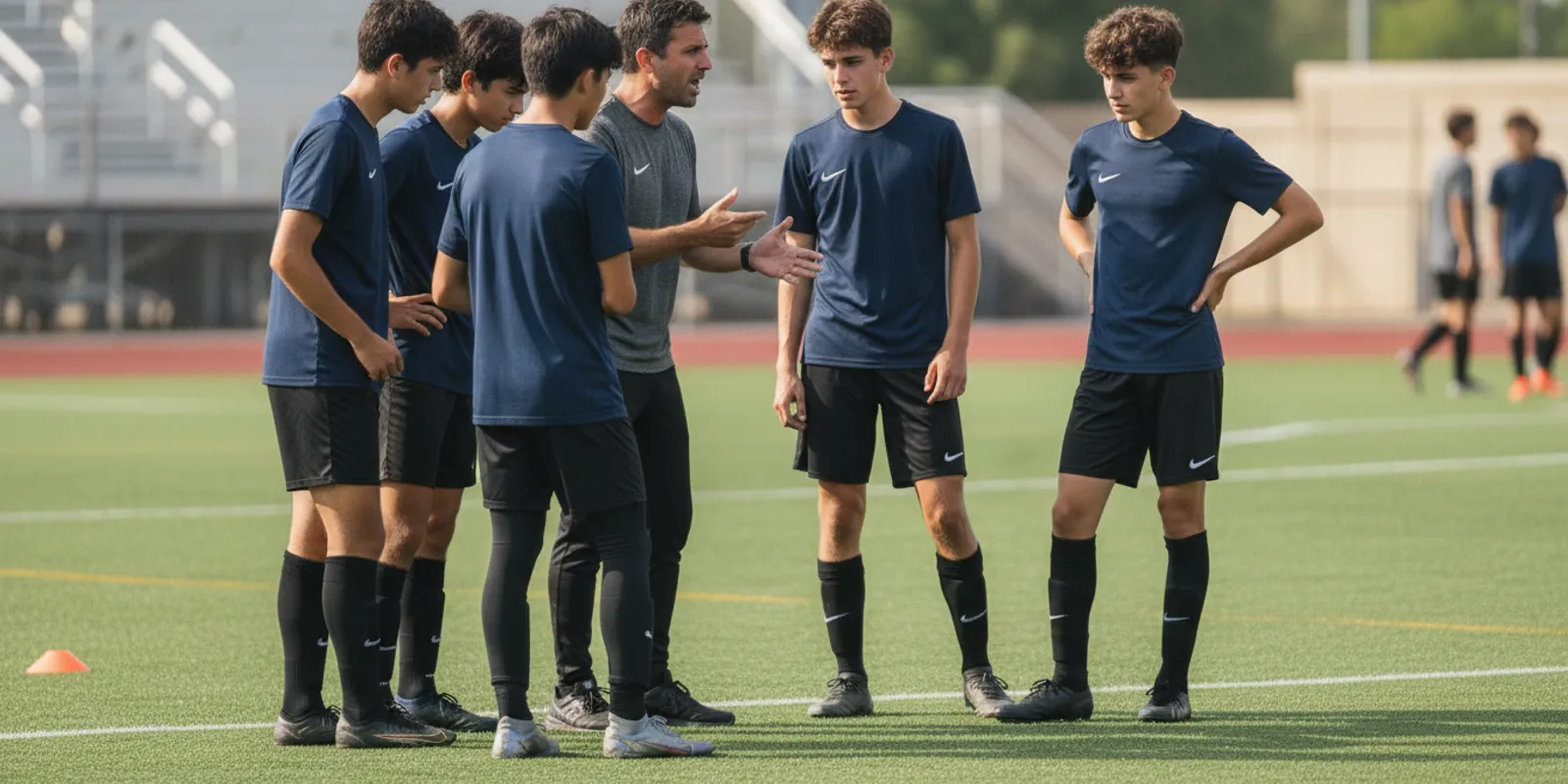
Coaches may also notice how you respond to direction and how you interact with teammates. Being vocal does not mean talking constantly; useful communication can be a clear call, a warning, or a quick piece of information that helps another player. If you make an error, recover and rejoin the play rather than letting one moment dictate the rest of your evaluation.
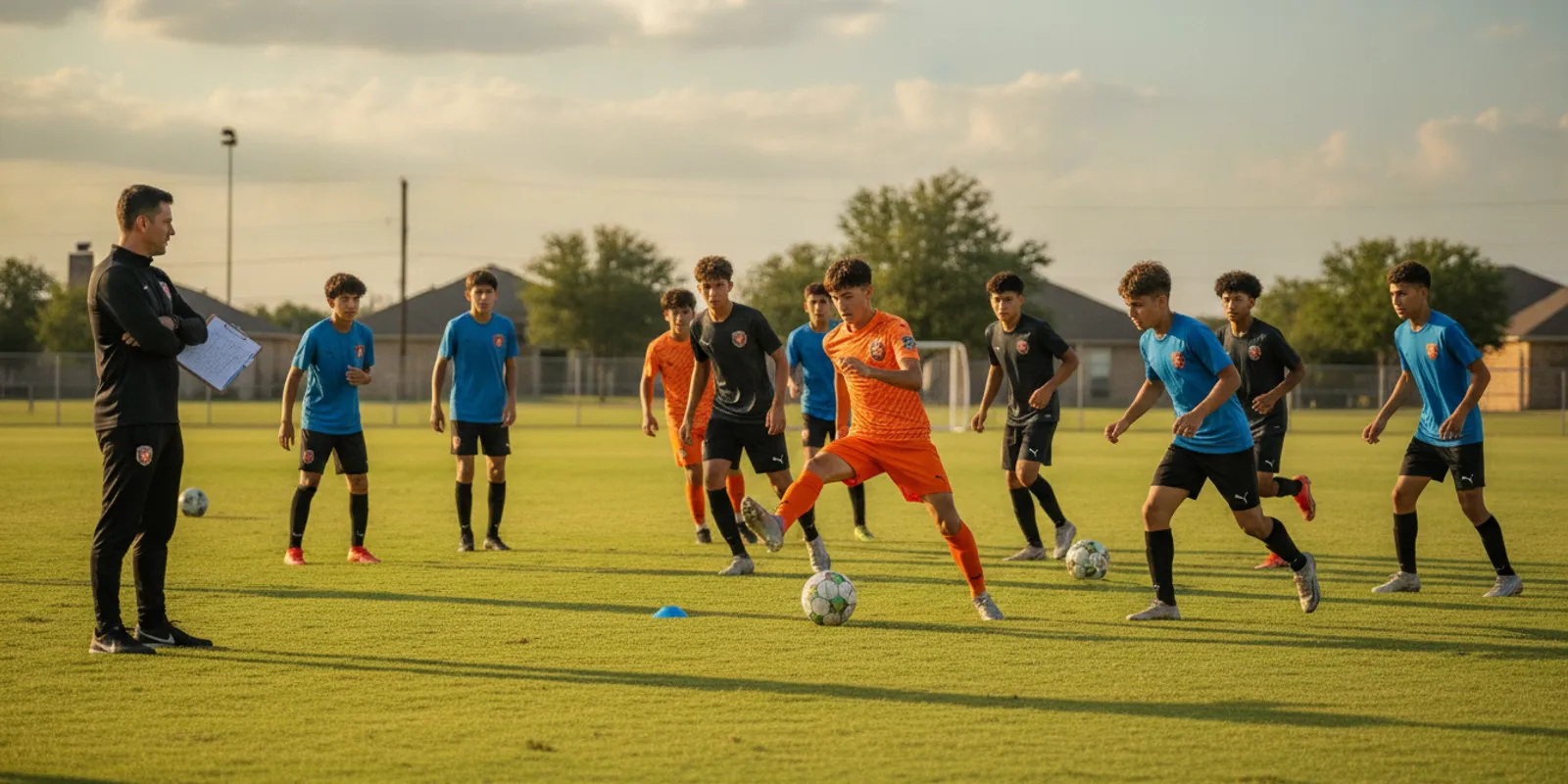
Game situations reveal details that a line drill cannot. For example, a midfielder can show awareness by checking a shoulder before the ball arrives and choosing a useful next pass, not by forcing a risky ball every time. A defender can demonstrate judgment by staying goal-side, communicating a handoff, and knowing when to step in. An attacker can show value through a well-timed run that opens space for a teammate, even if the pass does not reach them. Look for chances to make these useful actions repeatedly rather than trying to manufacture a highlight in every possession.
Foro SC’s competitive context includes a documented history of 10 conference championships, the 2021 UPSL national championship, four national-final appearances, and victories over professional clubs in the Lamar Hunt U.S. Open Cup. Those achievements describe the club’s record; they do not guarantee a roster place or a particular outcome for an individual player. Read the broader guide to adult competitive soccer in Dallas to understand how club and league options can differ.
What should you expect on evaluation day?
The exact schedule and format can vary. Confirm the date, arrival time, location, equipment, and expected duration directly with the club before you travel. A session may include a warm-up, technical activity, small-sided play, and larger game situations, but do not assume every evaluation follows the same sequence. Ask whether you should bring a ball, goalkeeper gloves, or any other position-specific equipment.
Plan to arrive early enough to check in, change, and prepare without rushing. Bring appropriate soccer boots for the surface, shin guards, water, and any personal equipment you normally use. Wear clothing that lets you move freely. If the club provides a training top or asks players to use particular colors, follow those instructions so coaches can identify participants.
Use the warm-up to get comfortable with the surface and the ball. Start with controlled touches and build intensity gradually. Once the play begins, keep your first actions composed. A clean pass, a clear call, or an intelligent run can help you settle into the session and show your game naturally.
It can help to think of an evaluation in phases. First, settle in and listen so you understand the activity and its boundaries. Next, take part consistently: stay available, make your decisions at match speed, and rejoin play quickly after each action. During game play, adapt to the team around you instead of repeating the same movement regardless of the situation. At the end, thank the staff, confirm the expected follow-up process, and make a note of any questions you still need answered.
Ask in advance whether the evaluation includes a fee, whether registration is required, and what happens if weather changes the session. Do not assume that an evaluation is a formal open tryout or that attending guarantees a second session. If you are unsure about the process, contact the club through its Foro Soccer Club information page or ask the staff when you inquire.
What fitness and skill standards should you prepare for?
There is not one universal fitness threshold for every adult competitive team, and no public benchmark should be mistaken for a Foro SC roster requirement. Match fitness depends on the position, role, level of play, and the demands of the team. You can prepare by arriving able to participate consistently, repeat efforts, and make decisions while tired—not by attempting a last-minute fitness test the night before.
Build your preparation around soccer actions. Include regular ball work, changes of direction, short accelerations, and controlled intervals that resemble the stop-start nature of play. Add recovery between harder efforts, and increase training load gradually if you have been inactive. If you have an injury, health concern, or a long break from exercise, get appropriate professional guidance before increasing intensity.
Skill work should also resemble the choices you will face in a match. Practice receiving across your body, passing with both feet, checking your shoulder before the ball arrives, and moving after you pass. If you are a defender, rehearse body position and communication. If you are an attacker, work on timing runs and combining with teammates. Goalkeepers can prepare handling, distribution, and communication specific to their role.
One practical solo session might be 10 minutes of easy ball touches, 15 minutes of passing against a wall with both feet, then short sequences of receiving, turning, and accelerating into space. With a partner, add pressure gradually: begin with a predictable pass, then vary the angle and pace so you must scan, choose a touch, and play the next ball. Keep the aim on clean execution and repeatability. A short, focused session done consistently is more useful than an exhausting workout that leaves you sore for several days.
Recovery matters because fatigue can affect how you move and make decisions. A review of soccer match-related fatigue describes residual effects after matches, so avoid stacking an unusually hard session immediately before an evaluation; adjust rest to your own schedule and condition. See the research record in PubMed’s review of acute and residual soccer match-related fatigue.
Use this simple comparison to focus your preparation. It is a practical checklist, not a published Foro SC scoring rubric.
Area | What you can demonstrate | How to prepare |
On-ball technique | Controlled first touch, accurate passing, sensible choices under pressure | Practice receiving, passing, and turning with a partner or in small-sided play |
Movement and awareness | Scanning, support angles, timely runs, and useful positioning | Play game-like exercises and check your surroundings before receiving |
Work rate and transitions | Prompt reaction after turnovers and repeated involvement across the session | Build fitness gradually with soccer-specific intervals and adequate recovery |
Communication and coachability | Clear information, constructive teamwork, and attention to instructions | Practice concise calls and stay engaged when your team is off the ball |
Position-specific play | Actions suited to your main role and adaptable secondary roles | Review the demands of your position and bring any required equipment |
How should you prepare for a Foro SC tryout in Irving or Plano?
Foro’s training opportunities include Irving and Plano, as well as the Dallas area. Ask where the particular evaluation will take place before making plans; the location of a program or training opportunity does not mean every tryout is held there. If you are comparing options around the metro, account for travel time, work or school, and whether you can attend training consistently after the evaluation.
In the days before your session, keep your routine familiar. Get normal sleep, eat meals that work for you, hydrate, and avoid testing new equipment or a demanding training plan on evaluation day. A short technical session can keep your touch sharp, but you do not need to exhaust yourself to prove commitment.
A simple preparation timeline can make the week easier to manage. Several days before, confirm the location and format, check that your boots and shin guards are ready, and do a normal practice rather than adding a sudden volume of training. The day before, prepare your kit, plan your route, and leave enough time to arrive. On the day, eat and hydrate in a way that is familiar to you, arrive early, and give yourself time to warm up. These are planning reminders, not performance guarantees; adjust them to your own routine and health needs.
Prepare a concise introduction for the coach. Be ready to share your age, primary and secondary positions, recent team or league experience, availability, and what you hope to get from competitive soccer. If relevant, mention a recent break from play or injury honestly. You do not need a polished speech; clear information helps staff understand your situation.
Bring questions that help you decide whether the club is a fit. Ask about expected training frequency, season timing, competition format, travel, attendance expectations, and the next step after evaluation. The right commitment depends on your circumstances, so do not rely on assumptions based on another player’s experience. It can help to write down your non-negotiables in advance—for example, which evenings you can train, how far you can travel, and whether weekend competition is workable. That makes the conversation more specific than simply asking whether the club is a good fit.
If you want to compare the evaluation with other preparation routes, Foro has information about team training and its coaching staff. These pages can help you understand the club’s wider training context; ask directly which opportunities apply to adult competitive players.
What happens after the evaluation?
Ask the staff how and when you should expect follow-up. Depending on the team’s needs and the evaluation, the next step could involve additional communication, another opportunity to train, or a decision that the current fit is not right. Avoid interpreting a friendly conversation or a strong moment in a drill as a roster decision until the club confirms it.
If you receive an invitation to continue, clarify the practical details before committing. Ask what team or competition the opportunity relates to, what training schedule is expected, what costs or other obligations apply, and when the season begins. Pricing and participation requirements can vary, so confirm current information with the club rather than relying on estimates or another player’s old information.
Foro’s pathway connects amateur and pre-professional soccer development with further opportunities, but the route depends on the player and the team. Optional FPA Performance sessions and pro fitness training through EXOS are separate program opportunities, not automatic requirements for every club player. Ask which program, if any, matches your goals. The Foro to Pro pathway overview explains the broader development story, while the guide to joining a national competition soccer team covers wider preparation considerations.
Keep your options open if the first evaluation does not lead to placement. Request specific feedback if it is available, then identify one or two areas to work on. You might also look at other team environments or continue developing your fitness and technical consistency before asking about another opportunity. A decision at one evaluation is information about that moment and roster context, not a final verdict on your potential.
If you do receive feedback, turn it into a short plan rather than trying to fix everything at once. A note such as “scan earlier before receiving” or “recover into shape sooner after a turnover” is more actionable than a vague goal to improve. Pick one technical or tactical focus, build it into a few training sessions, and then review whether your decisions are changing in game-like situations. If the feedback is unclear, ask one focused follow-up question so you understand what a coach meant.
After an evaluation, you can also assess the club environment from your side. Consider whether the communication was clear, whether the training demands sound realistic with your schedule, and whether the competition pathway matches what you want from soccer. Ask about expectations before accepting an opportunity, including training attendance and travel. This is not about negotiating every detail on the field; it is about making an informed decision once the club explains the next step.
Frequently asked questions
Are adult soccer tryouts in Dallas open to every experience level?
That depends on the team and the evaluation being offered. Foro SC is positioned for competitive amateur and pre-professional players, so ask about the intended level and eligibility before registering. Be specific about your experience and goals so staff can direct your inquiry.
Do I need a highlight video before contacting a club?
A video can provide useful context, but ask whether it is requested. If you share one, choose recent, clearly labeled footage that shows your position and meaningful game actions. Do not delay asking about an evaluation solely because you do not have a video.
Does attending an evaluation guarantee a place on a team?
No. An evaluation lets the club assess fit for its current needs, and attendance alone does not guarantee placement, a contract, or a particular playing role. Confirm any offer and its conditions directly with the club.
How can I ask about a free evaluation?
Use the club’s contact page to ask about current evaluation availability, location, and next steps. Include your position, experience, and availability so the staff can respond with relevant information.
Arrive prepared, play with purpose, and ask clear questions so you can decide whether a Dallas-area competitive soccer opportunity fits your goals.
Comments