
UPSL National Championship Player Development Guide
Winning a national title is more than a highlight for a soccer club. It is a demanding test of preparation, consistency, decision-making, and teamwork over the course of meaningful competition. For ambitious players, the value lies not only in the result, but in the habits and standards required to perform when every match carries greater pressure.
UPSL national championship player development is best understood as the connection between high-level competition and the daily work behind it: purposeful coaching, focused training, team accountability, and opportunities to learn under pressure. Foro SC's 2021 UPSL National Championship shows what a team can achieve, but it does not guarantee an individual professional outcome.
Foro SC is a semi-professional adult club competing in UPSL and other high-level competitions. The club reports 10 conference championships and four national-final appearances alongside its 2021 title. Those achievements provide useful context for players evaluating adult competitive soccer in Dallas, especially when the focus shifts from the trophy itself to what championship-level demands require from each player.
What the 2021 UPSL national championship required from Foro SC players
A national title is built through habits that hold up when the quality of opposition rises and every match carries consequences. For Foro SC players, the 2021 UPSL National Championship represents more than a line on a club record. It reflects the preparation, consistency, and shared standards required from a semi-professional adult club competing in UPSL and other high-level competitions.
Preparation begins before match day. Players must arrive ready to train with purpose, understand the team's objectives, and apply coaching points when the session becomes demanding. In a competitive environment, technical ability matters, but so does the discipline to repeat useful actions: making the supporting run, recovering into shape, communicating early, and staying engaged when a player is not the one receiving the ball.
Consistency across the full competition
A championship run tests whether a team can perform repeatedly rather than produce one outstanding result. That requires players to maintain focus through changing opponents, match conditions, and roles. A starter may need to lead one week, provide energy from the bench the next, or help the group prepare even when his minutes are limited. Role clarity gives each player a practical way to contribute, while accountability keeps individual decisions connected to the team's plan.
That standard is consistent with Foro's broader competitive record. The club reports 10 conference championships and four national-final appearances, alongside the 2021 UPSL National Championship. Those figures show sustained access to high-level competition, but they do not turn a team achievement into a guaranteed individual outcome. A player's development still depends on how he responds to coaching, competition, and the work required between matches.
Composure when the margin is small
High-stakes matches expose rushed decisions. Players must manage frustration after mistakes, recognize when to simplify play, and communicate clearly when pressure increases. They also need to trust teammates and execute their responsibilities instead of chasing the match alone. Those behaviors can become valuable development experiences because they reveal what a player can do consistently in a demanding team setting.
For Dallas-Fort Worth players seeking that kind of environment, adult competitive soccer in Dallas can provide useful context on the expectations surrounding serious competition. The title itself does not promise a professional contract. Its value is that it shows the level of collective preparation, resilience, and teamwork players may encounter when pursuing a higher standard.
What UPSL national championship player development looks like in practice
UPSL national championship player development is not a single drill, position, or match result. It is a connected process in which coaching, player support, training, and meaningful competition work together over time. That framework matters because a championship tests whether players can apply their abilities when the opponent, scoreline, and consequences all demand more of them. It also creates useful evidence for coaches, while leaving room for continued growth.
Build the process around more than match-day performance
Academic research describes talent development as a systematic program of coaching, support, training, and competition designed to progress players. It also emphasizes that current performance and future potential are different considerations. A player who looks composed in a final may be ready for a larger role now, but that performance alone does not define the player's long-term ceiling. Likewise, a developing player may contribute in less visible ways while building the decision-making, physical habits, and confidence needed for a bigger role later. This development framework supports a more complete evaluation than a highlight or a single statistic.
Turn high-level competition into individual lessons
For a player, the value of a national-level run is found in the lessons repeated from week to week. Training can sharpen technical execution and tactical understanding, while team support can help a player respond to setbacks, manage workload, and stay accountable to a role. Competition then reveals which habits hold up under pressure: scanning before receiving, communicating early, recovering after a mistake, making the simple pass when the game becomes fast, and recognizing when to take responsibility.
Those lessons should be specific. A coach might review how a midfielder handled pressure, how a defender adjusted to a changing threat, or how an attacker created space without the ball. The goal is not to label one performance as a final verdict. It is to use competition as feedback for the next training block and the next opportunity.
Foro's 2021 UPSL National Championship is a documented team achievement. It can illustrate the standard of preparation and competition involved, but it does not guarantee that every player will reach the professional game. Individual development still depends on role, response to coaching, consistency, health, opportunity, and continued work. That distinction keeps the pathway ambitious and honest.
How a championship-level training environment raises individual performance
A strong team environment gives players repeated chances to learn in situations that resemble the demands of serious competition. The value is not simply being around talented teammates. It is the daily process of receiving clear feedback, making decisions under pressure, and understanding how individual actions affect the group.
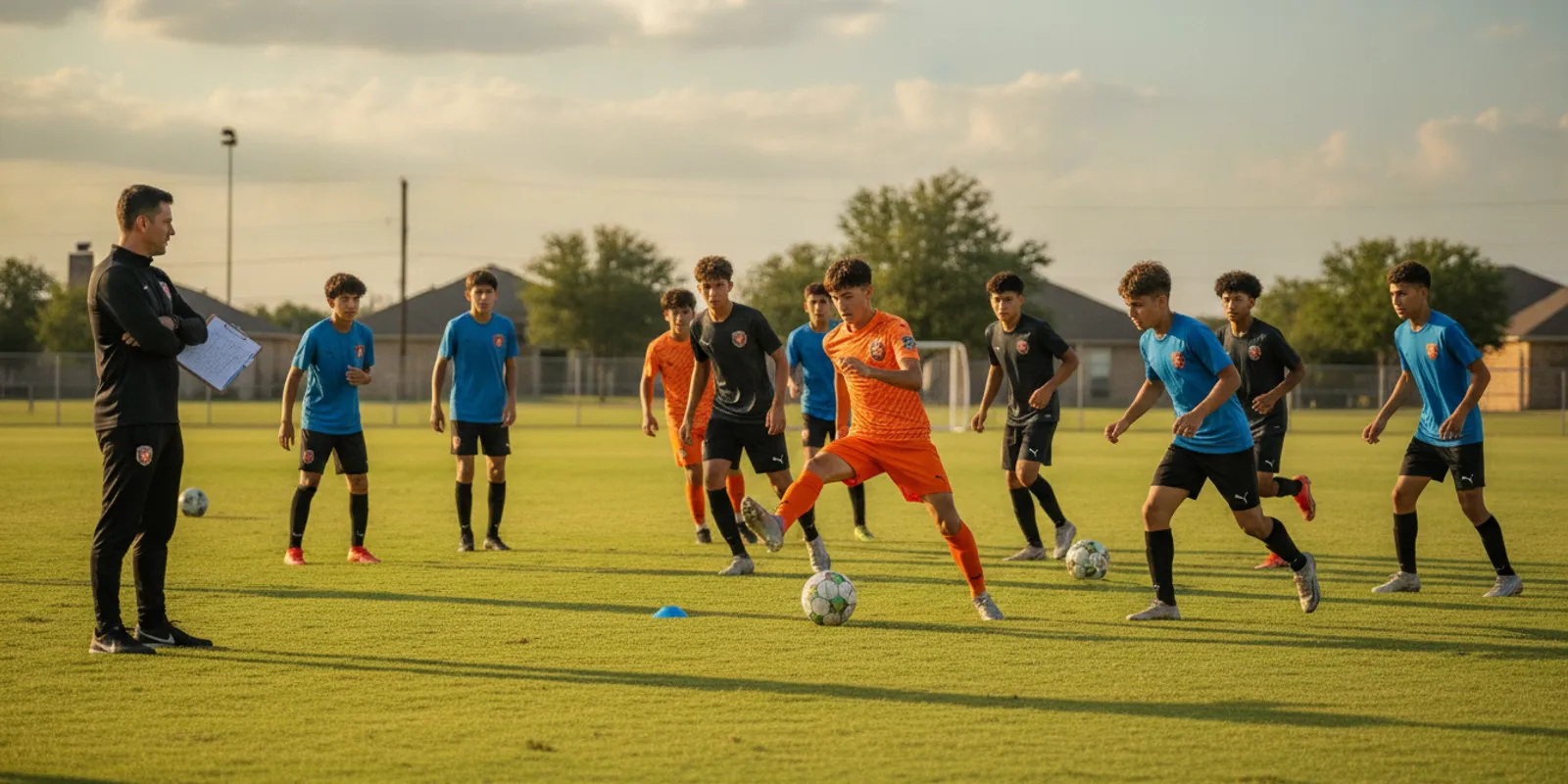
Foro describes its private, small-group, and team training as skill-appropriate and game-realistic, with experienced player-coaches delivering specialized drills and progression plans for team dynamics. In practice, that means a player can work on a technical or tactical problem, then revisit it in a more game-like setting while coaches assess decisions, movement, communication, and response to pressure. That connection makes the training relevant to the moments that decide competitive matches.
Feedback turns experience into improvement
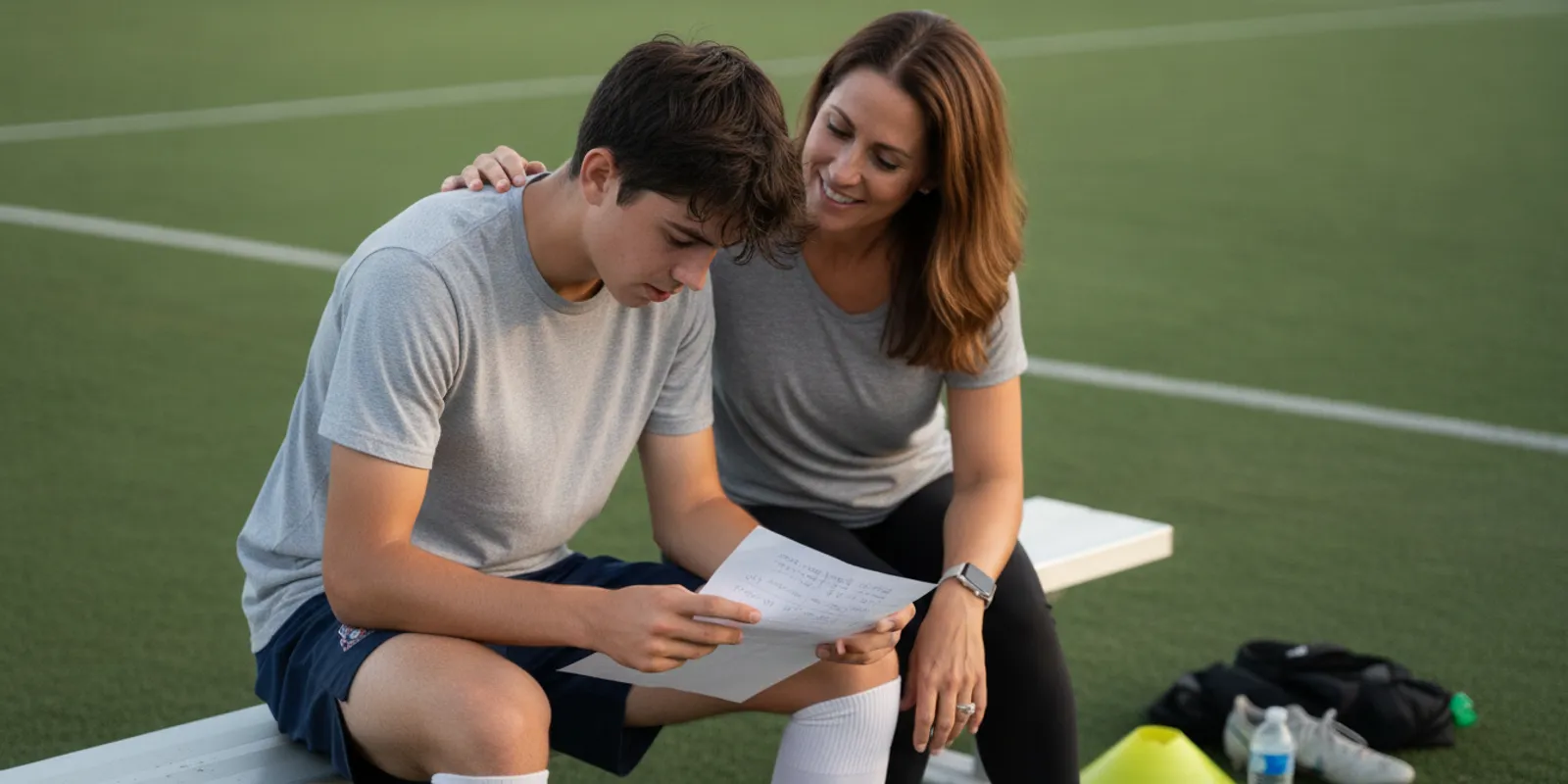
High-level training creates more useful moments for correction. A player can review a missed passing option, a poor defensive angle, or a delayed transition, then face a similar decision again in training or a match. That repetition helps connect coaching points to behavior. It also makes accountability practical: players learn to prepare, communicate, and respond when standards are not met.
Roles sharpen decision-making
Championship-level teams still need players to understand their responsibilities within a larger plan. Role clarity helps a midfielder recognize when to support the ball, when to protect space, and when to accelerate play. It helps defenders coordinate pressure and cover. It helps attackers read movement instead of relying only on individual skill. These decisions become more demanding when opponents are organized and the result matters.
Match repetition adds another layer. Competitive games expose players to changing scorelines, fatigue, unfamiliar opponents, and moments when a preferred plan stops working. Those experiences can build composure and adaptability, but they do not automatically produce the same outcome for every player. Team success is evidence that an environment can support high standards, not a guarantee of individual advancement or a professional contract.
Progression should remain varied and individual
Research on athlete development supports progressive, varied, and individualized training to help maximize athletic potential. It also notes that performance monitoring and injury surveillance can inform training decisions. In practice, that means development should challenge a player without treating every player as if they have the same needs, readiness, or role.
For players evaluating their next step, Foro team training opportunities offer a relevant way to learn how structured coaching, team dynamics, and competitive preparation may fit into a broader development plan. The right environment should raise expectations while giving each player a clear, realistic path to keep improving.
The physical and tactical demands of a national UPSL run
A national UPSL run tests more than a player's best performance on a single match day. Players must prepare for sustained competition while continuing to develop, which places a premium on physical readiness, tactical flexibility, and the habits that keep performance reliable when the stakes rise.
Demand | What it tests | Development takeaway |
Physical readiness | Whether a player can repeat high-intensity actions, compete for second balls, and stay effective late in matches. | Build a repeatable training base rather than relying on occasional peak sessions. Fitness should support technical execution and decision-making. |
Recovery across a long campaign | How well a player manages sleep, load, mobility, nutrition, and minor setbacks between demanding matches. | Recovery becomes part of preparation. Players learn to monitor their readiness and communicate early when something affects performance. |
Tactical adaptability | Whether a player can understand changing roles, adjust to different opponents, and make useful decisions without constant instruction. | Study the game beyond a personal position. A stronger tactical picture helps players recognize space, manage risk, and support teammates. |
Communication under pressure | How clearly teammates organize, respond to setbacks, and maintain discipline when a result is in doubt. | Useful communication is specific and timely. It improves collective execution and gives coaches better evidence of a player's maturity. |
These demands also explain why a title should be viewed as evidence of a competitive environment, not as an automatic prediction of an individual's future. A team can win through coordinated preparation, while each player still needs personal feedback and a development plan that addresses technical, physical, and tactical priorities.
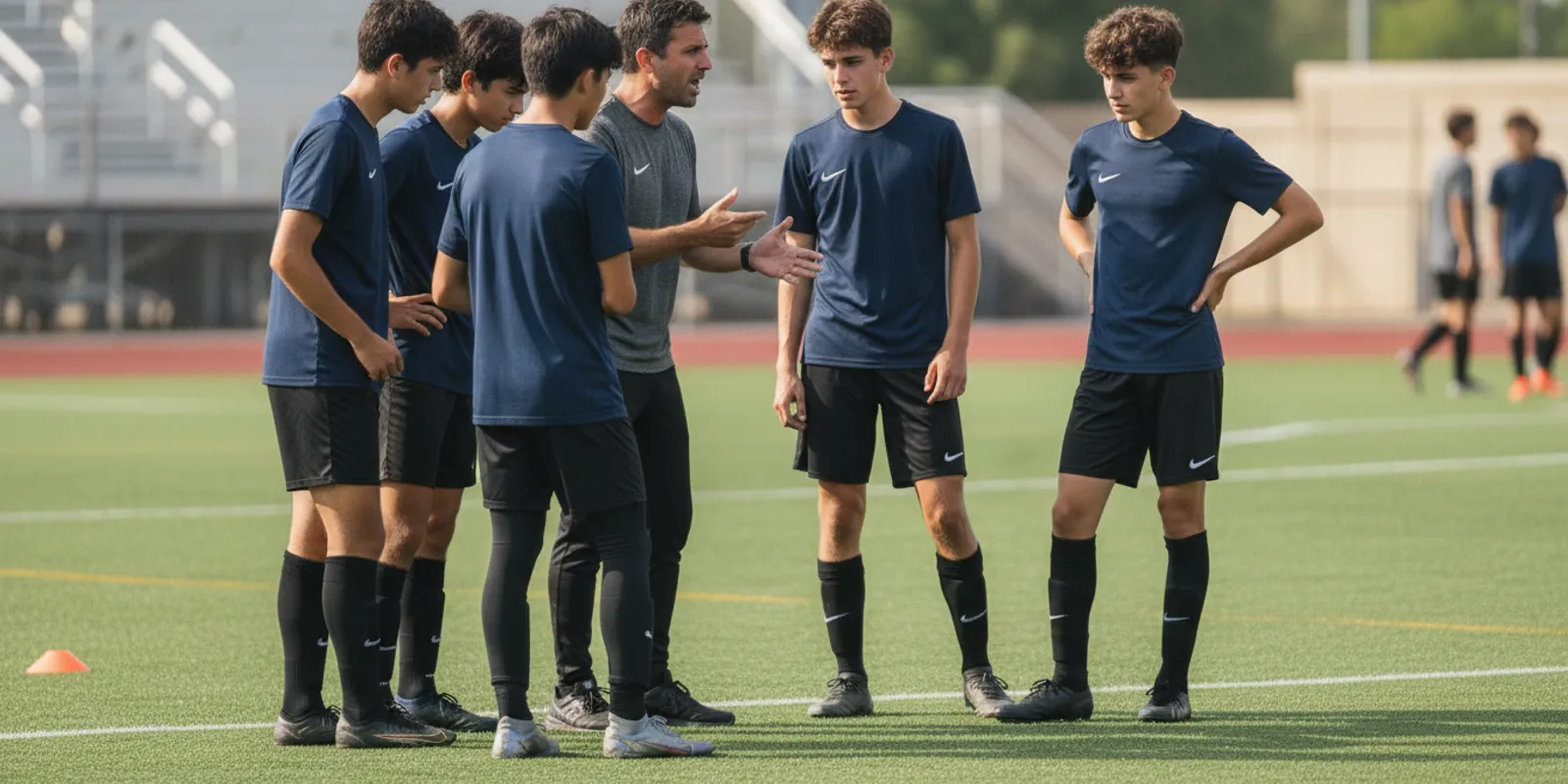
For players evaluating that environment, the quality of coaching matters. Experienced coaches can help translate match pressure into practical adjustments, from positioning and scanning to workload and recovery habits. Foro's experienced Foro Soccer coaches are part of the wider pathway that connects training with high-level competition, while individual progress remains a process rather than a guarantee.
What players who competed in the 2021 national championship went on to do
A demanding match exposes habits that training alone may not reveal, but the available club facts do not assign every later professional outcome to the 2021 championship roster. Foro documents that 18 players and coaches have reached the professional level, alongside its 2021 UPSL National Championship, 10 conference championships, and four national-final appearances. The responsible conclusion is that the club has a documented development history, not that one title guaranteed the same outcome for every player.
Players must respond when a plan breaks down, a teammate needs support, or the score creates pressure. That experience can build resilience, but only when the player reflects on it and applies the lesson in the next session or match.
Resilience is a repeatable skill
High-stakes competition teaches players to reset after a mistake instead of allowing one poor decision to control the next ten minutes. A missed chance, difficult opponent, or tactical adjustment becomes a test of response. The goal is not to avoid setbacks. It is to recover quickly, stay engaged, and make the next useful play.
Communication and accountability become visible
Pressure also clarifies how players communicate. Teammates need clear information about space, defensive coverage, and the next action. They also need players who accept responsibility for their roles. Accountability is more than admitting an error after the final whistle. It means tracking a runner, making the recovery run, offering an option in possession, and helping the team solve problems in real time.
Those habits transfer beyond one championship run. A player can use a demanding match to identify whether communication becomes quieter under pressure, whether decision-making slows after a mistake, and whether preparation was sufficient for the intensity of the game. The answers provide practical targets for future training.
Team results should inform, not define, individual evaluation
A national title is a meaningful team achievement, not a guarantee of professional advancement for every player involved. Foro reports the 2021 UPSL National Championship, 10 conference championships, four national-final appearances, and 18 players and coaches who reached the professional level. Those are broader documented club outcomes. They should not be presented as proof that the 2021 title caused every professional result.
Good evaluation separates current performance from future potential. Academic research describes talent development as a combination of coaching, support, training, and competition, and emphasizes that performance and potential are distinct considerations. Players can therefore ask better questions after a high-level season: Which skills held up under pressure? Which decisions need work? What role could become more valuable with focused development?
Foro's player development philosophy gives families and players useful context for considering that pathway. The strongest takeaway from high-stakes soccer is not a promised contract. It is a clearer understanding of the work still required and the habits that can help a player keep progressing.
How Foro SC connects competition to the Foro to Pro pathway
Foro SC's adult competitive environment is one part of a wider development pathway. Foro Skills supports youth development, while the semi-professional club gives adult players an opportunity to train and compete in UPSL and other high-level competitions. Together, those offerings create a connected environment for Dallas-Fort Worth players who want demanding training, meaningful competition, and a potential route toward the professional game.
The connection is developmental, not automatic. Players may progress at different rates, and team success cannot guarantee an individual contract, roster place, or professional opportunity. The club reports that 18 players and coaches have reached the professional level. But that figure should be understood as evidence of a broader history and network, not a promise that every player follows the same route. The 2021 UPSL National Championship is likewise a team achievement that reflects a competitive standard, not a guaranteed individual outcome.
That pathway can include several complementary experiences. Youth players build technical and tactical foundations. Adult players test those foundations against stronger opponents, adapt to team roles, and learn what consistent preparation requires. Coaches can then use competition to identify areas for continued work, whether a player needs sharper decision-making, more physical preparation, or greater confidence under pressure. Players and families can explore group soccer training in Dallas as one way to develop skills, strategy, fitness, and teamwork beyond match day.
Foro's team training also emphasizes specialized drills, progression plans, and team dynamics. Optional programs such as FPA Performance or EXOS pro fitness training may provide additional support for players who choose them. But they are not mandatory steps for participating with Foro SC. The most useful next step depends on a player's age, experience, goals, and current readiness.
Learn more about Foro SC evaluations and tryouts to discuss the competitive environment and your development goals.
For ambitious players in the Dallas-Fort Worth area, the value of this structure is the opportunity to keep learning across different levels of the game. The pathway connects development with competition while leaving room for individual evaluation and timing. The questions below address what that can mean in practical terms for players and families.
Frequently Asked Questions
What did Foro SC winning the 2021 UPSL National Championship demonstrate?
The title demonstrated that Foro SC could prepare and perform as a team in high-level competition. It reflects collective standards around training, tactical execution, consistency, and handling pressure. It is meaningful evidence of the environment players entered, but it does not prove that every individual player will reach the professional level.
How can a national championship support player development?
A demanding championship run gives players repeated opportunities to apply technical skills, make decisions under pressure, communicate with teammates, and respond to different match situations. Those experiences are most valuable when coaches connect them to specific feedback and continued training rather than treating the trophy as the development process itself.
Does winning a UPSL championship guarantee a professional soccer opportunity?
No. A team achievement can increase exposure and show how a player performs in a competitive setting. But professional decisions also consider position, consistency, technical and physical qualities, tactical understanding, attitude, and future potential. Foro presents its pathway as an opportunity toward the professional game, not a guaranteed contract.
What should players look for in a development-focused soccer environment?
Look for qualified coaching, purposeful training, meaningful competition, clear feedback, and a progression plan that fits the player's current needs. Research defines talent development as a combination of coaching, support, training, and competition designed to help players progress. Source: peer-reviewed talent-development research.
Get started with the next step at Foro SC
A free player evaluation can help you understand where your current abilities fit within a competitive development environment and what to work on next. To learn more about Foro SC, request a free evaluation and connect with the club about your goals. Players interested in a tryout can ask the club about that separate option and its current requirements.
Comments