
UPSL vs APSL vs NPSL Soccer: Which Fits You?
Choosing an adult soccer league in Dallas is about more than the league name. Your best fit depends on the level of competition, match schedule, travel, training environment, and the role you can realistically earn.
The right choice in upsl vs apsl vs npsl soccer is goal-dependent: compare each league's local availability and club structure, then weigh the commitment against your development and competition priorities.
UPSL and APSL experience gives Foro Soccer Club's competitive program a useful Dallas-area point of reference, but no league guarantees a professional opportunity. Start by understanding how these competitions fit into the broader US amateur and semi-professional landscape, then evaluate the club behind the label.
The US Amateur and Semi-Professional Soccer Landscape Explained
Comparing upsl vs apsl vs npsl soccer requires more than reading the league names. In US adult soccer, a label can describe a competition framework. It does not automatically tell you the quality of a specific club. It also does not tell you the strength of its local conference, the travel involved, or the role you may earn. For a Dallas-Fort Worth player, the practical question is not simply which acronym sounds most advanced. It is which club offers meaningful matches, reliable training, coaching, and development support.
Regional organization is one reason broad comparisons can mislead. UPSL Premier fixtures, for example, are grouped by regions such as Midwest East, KY-TN, and NorCal South. A 2021 New Mexico State report also described a team competing in the UPSL Southwest Conference. Those examples show how a national league can contain very different local environments. The same principle applies when reviewing APSL conference availability or researching NPSL opportunities. Current teams, distances, schedules, and competitive standards must be checked for the season and market you are considering.
APSL is characterized in the available club research as a nonprofit amateur league with promotion and relegation. That is a specific feature of its described model, not proof that every US league shares one universal promotion ladder. NPSL identifies itself as the National Premier Soccer League, while its national footprint also includes distinct regional realities. Neither label alone guarantees a better fit, more exposure, or a professional opportunity.
Evaluate the club behind the badge. Ask how often the team trains, where home matches are played, and how far you will travel. Also ask what position and role you are likely to receive, and whether the environment supports your goals. A serious player may value weekly development and minutes as much as the league name.
What Is the Difference Between UPSL, APSL, and NPSL Soccer?
The short answer to the upsl vs apsl vs npsl soccer question is that league names do not tell you everything about the experience. Conference organization, season calendar, travel, club resources, and your intended role can vary. Confirm the current details with each club before choosing a team.
League | Structure | Schedule/commitment | Player-fit question |
UPSL | Regional and conference-based competition, with official fixtures grouped by areas such as Midwest East, KY-TN, and NorCal South. | Varies by conference and club. Some teams describe year-round competition, while others operate around a defined seasonal calendar. | Can I commit to the training, match travel, and competitive level offered by this specific conference? |
APSL | Described by the club's reference materials as a nonprofit amateur league with promotion and relegation. Its schedule is organized through regional conferences. | Conference schedules and club expectations differ. Current-season availability and logistics need to be confirmed locally. | Do I want a club environment where the local conference structure and movement between levels are part of the competition model? |
NPSL | The National Premier Soccer League, with clubs competing through regional play and a national postseason pathway. | Season timing, travel, roster expectations, and training frequency depend on the conference and club. | Does this club's schedule and regional footprint fit my work, school, travel, and development goals? |
UPSL's official fixture pages show how a national league can be organized through geographic groupings rather than one single local schedule. The APSL schedule likewise identifies conferences, including the Terminus, Delaware River, and Mid-Atlantic conferences. Those labels demonstrate regional organization, not a guarantee that every conference follows the same format. Details can change from one season to the next.
The APSL comparison also requires care. The available customer materials characterize APSL as a nonprofit amateur league with promotion and relegation. But that description should not be transferred to UPSL or NPSL without league-specific support. Likewise, the three leagues should not be treated as one universal promotion ladder. A Dallas-Fort Worth player should ask about the actual conference, opponents, match dates, travel range, training standards, roster pathway, and expected role.
Foro Soccer Club's documented adult competition includes UPSL and APSL, giving players a local club option to investigate while comparing formats. The club describes its UPSL team as competing year-round in the Texas North Division. That is a club-specific example, not a rule for every UPSL team. The best choice is the league and club combination that matches your availability, ambitions, and opportunity to develop.
UPSL: Structure, Schedule, and Player Fit
The UPSL is organized through regional and geographic groupings rather than one uniform schedule that feels identical across the country. Current Premier Division fixtures, for example, are grouped under labels such as Midwest East. KY-TN, and NorCal South, while a 2021 New Mexico State report described a Southwest Conference. That structure gives clubs a practical way to compete regionally, but the experience can vary by conference, division, club, and season.
For a Dallas-area player, that variation matters. FORO SC's official club description identifies the team as a semi-professional club competing year-round in the UPSL Texas North Division. A year-round program can offer meaningful adult competition and a consistent training environment, but the right fit depends on more than the league name. A player should understand the actual calendar, training expectations, travel demands, roster process, and likely role before committing.
Ask a Dallas club questions such as:
Which UPSL division and conference does the team currently play in, and what does its confirmed schedule look like?
How often does the team train, how far are away matches, and what level of availability is expected?
What does the evaluation process measure, and where would the club realistically see you contributing?
How are coaching, development, match opportunities, and any player responsibilities explained before joining?
FORO's documented UPSL record includes the 2021 UPSL National Championship, 10 conference championships, and four national-final appearances. Those achievements show a serious competitive environment, not a promised result for every individual player. Your minutes, development, and progression still depend on performance, fit, health, work rate, and the opportunities available in the current roster. For a separate discussion of the compensation question, see UPSL player compensation, rather than assuming league labels answer it.
APSL: What Sets It Apart From UPSL?
APSL is described in Foro's customer materials as a non-profit amateur league with a promotion and relegation system. That gives the competition a different organizing idea from simply joining a fixed schedule of adult matches. Clubs may be working within a pathway where performance can affect the level or conference context they play in. Although the exact mechanics and availability depend on the relevant region and season.
A regional conference model
APSL's official schedule is organized into named regional conferences rather than presented as one identical national schedule. Current listings identify the Terminus Conference in Georgia, the Delaware River Conference across Pennsylvania and New Jersey, and a Mid-Atlantic Conference associated with Virginia. Those examples show how location shapes the competition. They do not establish that every conference uses the same format, travel pattern, or promotion and relegation process.
For a Dallas-Fort Worth player, the practical question is not whether APSL sounds more ambitious than UPSL. It is whether an active APSL conference is accessible from your location and offers the level of competition, training environment, and role you need. Confirm the current conference map, match calendar, roster process, and travel expectations before treating a league description as a complete picture.
Questions to ask before choosing APSL
Which APSL conference would a Dallas-area club enter this season?
How does promotion or relegation operate in that specific conference?
How many matches are scheduled, and how much travel is expected?
Will the club provide consistent training and a meaningful competitive role?
In an upsl vs apsl vs npsl soccer comparison, APSL may appeal to players who value a regional structure and a defined competitive pathway. The best fit still depends on the current local opportunity, your availability, and the club's standards, not the league label alone.
NPSL: Who Does This League Typically Serve?
The National Premier Soccer League is a national adult competition built around regional play and a path toward postseason competition. That broad identity tells you the level of ambition, but it does not answer every practical question for a Dallas-Fort Worth player. The local club, conference, season calendar, travel expectations, roster process, and training environment matter just as much as the league name.
NPSL examples also show why the league can appeal to different types of serious players. A University of Indianapolis report on Hickory FC's 2025 title run highlighted a college midfielder contributing in the South Region Final and semifinal. That is one documented example, not a universal roster rule, but it illustrates how a player may balance college soccer, adult competition, and a regional championship pursuit. The NPSL's official site also documents national championship competition, confirming that the league can provide a meaningful competitive stage beyond a single local schedule.
- Ambitious adult players:
Players seeking organized, high-level competition should evaluate the actual club environment rather than assuming every NPSL roster operates the same way.
- College and returning players:
A regional adult team may be relevant for a college player, recent graduate, or experienced player continuing competitive soccer, but availability and eligibility must be confirmed directly.
- Players who can manage travel:
Regional geography can shape the real commitment. Ask where home matches, away matches, training sessions, and postseason fixtures are expected to occur.
- Dallas-area researchers:
Confirm whether a current NPSL option exists locally, when evaluations occur, what the schedule requires, and what role the club is recruiting for. Do not infer current Dallas availability from national league information.
For a useful upsl vs apsl vs npsl soccer comparison, treat NPSL as a possible competitive format, not an automatic promotion step or professional contract route. The right choice depends on your playing goals, weekly capacity, position, and the specific club available to you now.
How Do You Choose the Right League for Your Goals?
League fit is less about finding a universal ranking and more about matching the competition to your current situation. Use these questions before you commit to a club or season:
- What are you trying to achieve?
Decide whether your priority is consistent adult competition, higher-level exposure, continued development, a college-related schedule, or a possible professional pathway. Your answer should shape every later decision.
- Does your age or college status affect availability?
College players, recent graduates, and older adults may have different windows for training and matches. Confirm eligibility, roster expectations, and whether the club's calendar works around your existing commitments.
- How much time can you realistically give?
Ask about training frequency, match dates, preseason demands, and recovery. A strong league is not a good fit if its schedule consistently conflicts with work, school, or family responsibilities.
- What travel is sustainable?
Look beyond the league name. Review the current conference map, expected away trips, kickoff times, and transportation needs. A nearby, well-run schedule may provide more useful minutes than a distant option you cannot attend reliably.
- What does training look like between matches?
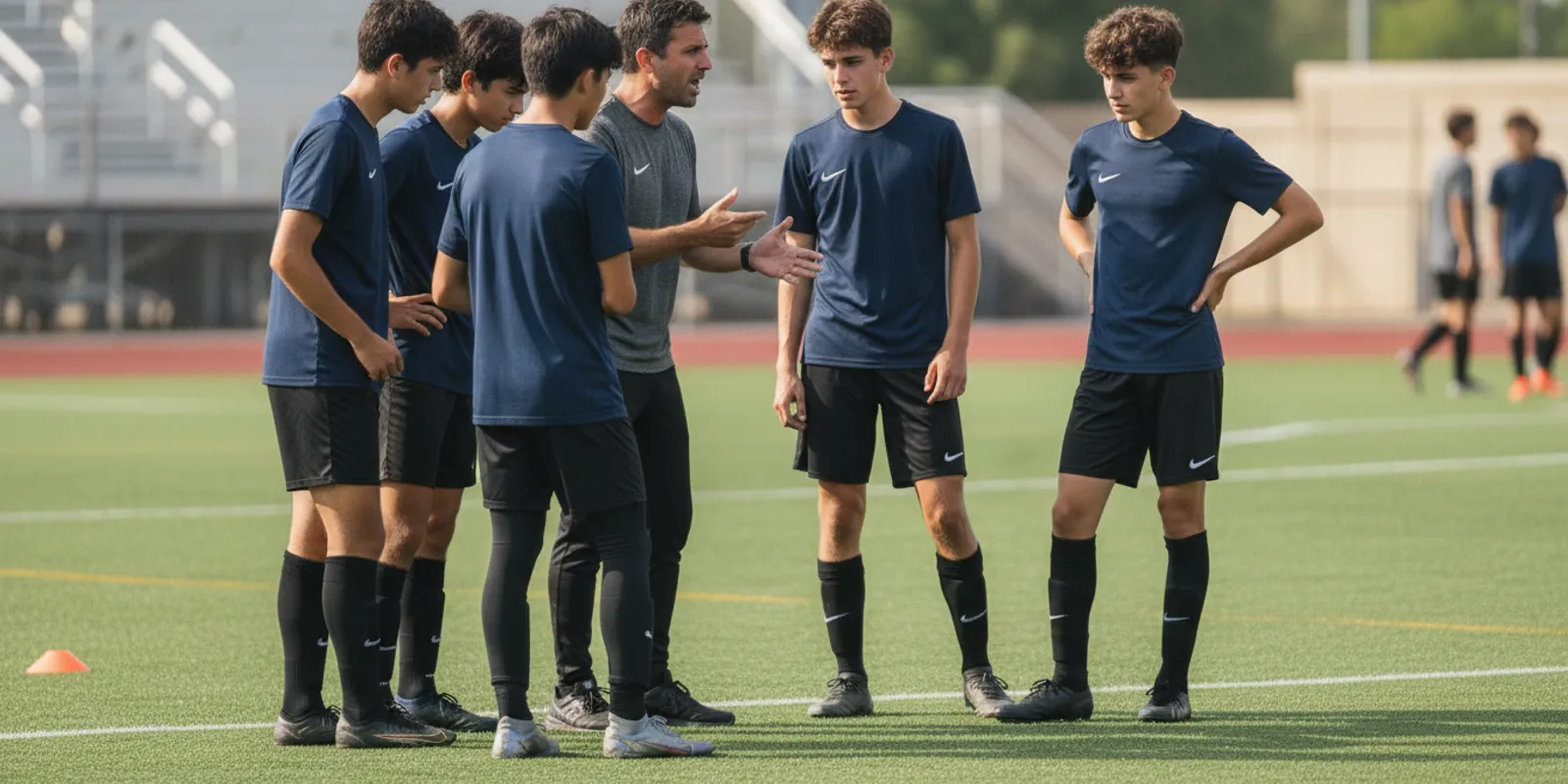
Compare coaching quality, technical work, tactical preparation, fitness support, and player development. Foro describes its adult competition as an opportunity to compete with experienced adults while receiving professional coaching. This is a club-specific example of why training quality matters alongside league branding.
- What role could you earn on the roster?
Ask whether the club needs your position, how selection works, and how playing time is evaluated. A meaningful role, clear feedback, and a serious environment can matter more than a label attached to the league.
- What pathway is actually available locally?
Check which clubs operate near Dallas-Fort Worth this season and what progression they can document. Foro's stated objective is to provide deserving players with growth opportunities, while its records include 18 players and coaches who reached the professional level. That history is evidence of opportunity, not a guarantee.
Is one league universally best?
No. The best choice depends on the player's goals, age or college status, schedule, travel tolerance, training environment, roster role, and current local club context. Compare the specific team and season, not only UPSL, APSL, or NPSL branding.
Foro Soccer Club's Approach to Multiple League Formats
Foro Soccer Club approaches adult competition as a connected development environment rather than a single league label. The Dallas-based semi-professional club is documented as competing in UPSL, APSL, and The League for Clubs, with its listed competitions also including UPSL Premier and U.S. Open Cup qualification. That range gives adult players more context for evaluating competition, match opportunities, coaching, and their next step.
Foro's UPSL experience is especially established. The club's documented record includes a 2021 UPSL National Championship, 10 conference championships, and four national-final appearances. Its official history also records a 2024 place in the Lamar Hunt U.S. Open Cup. These achievements show meaningful competitive experience, but they should be read as evidence of the club's history, not as a promise of a particular result for every player.
Competition connected to player development
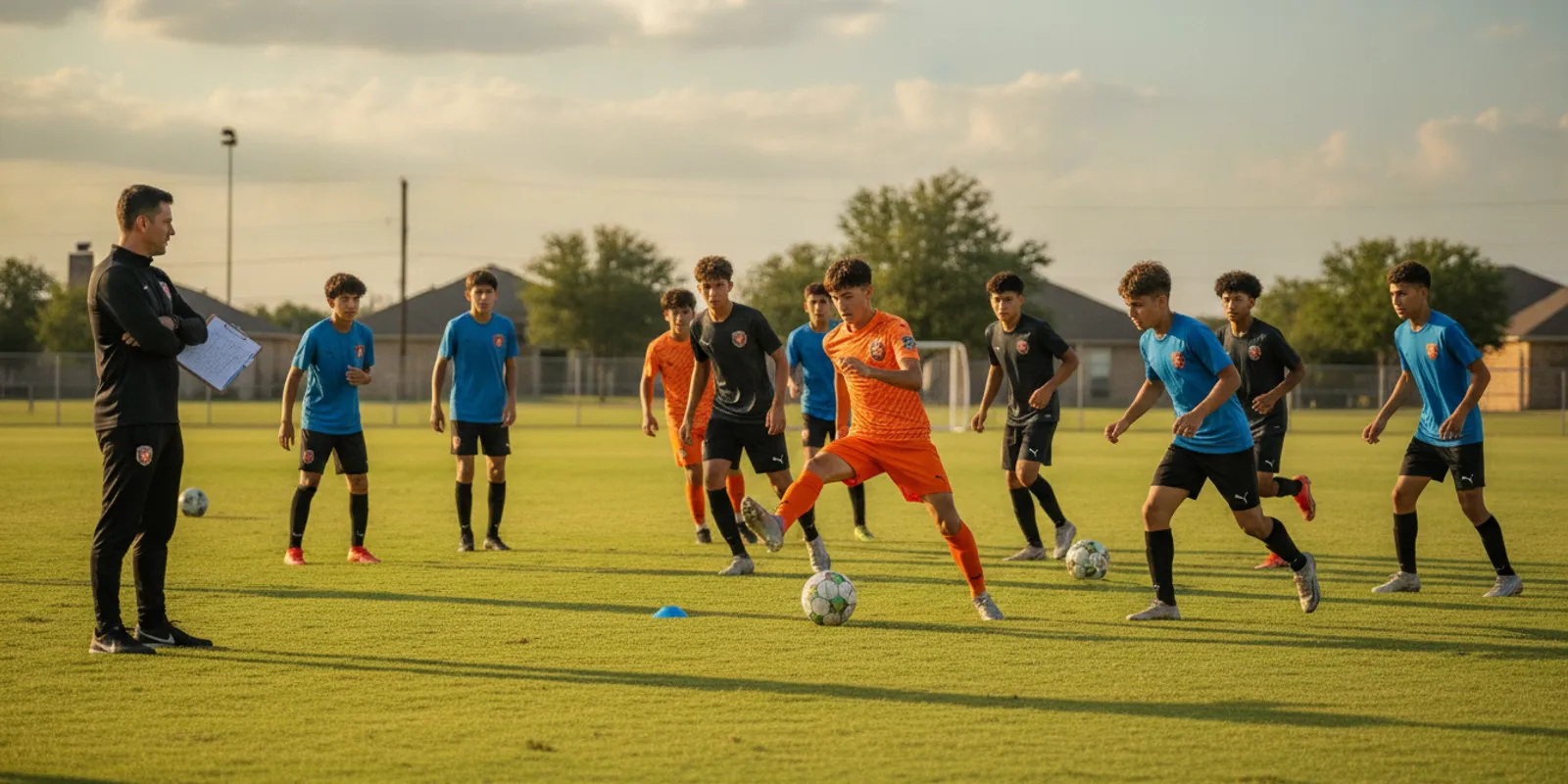
Foro describes its adult program as an opportunity to compete with experienced adults and receive coaching from industry professionals. Its stated objective is to provide deserving players with growth opportunities, and the organization reports that 18 players and coaches have reached the professional level. Those outcomes can help an ambitious player understand the environment Foro is building. While still keeping expectations realistic: no league, club, or pathway guarantees a professional contract, roster place, or advancement.
Players researching upsl vs apsl vs npsl soccer should also keep the comparison precise. Foro is documented as participating in UPSL, APSL, and The League for Clubs, not as an NPSL competitor. The adult club should remain distinct from youth-facing Foro Skills programs, even though both sit within the broader Foro soccer development organization.
For Dallas-Fort Worth players, the practical question is how a club's competition model fits their goals, availability, and current level. Explore Foro's adult competitive soccer pathway to learn more about the club and its evaluation process.
Frequently Asked Questions
Is UPSL, APSL, or NPSL soccer better for Dallas-area players?
There is no universal winner. The right fit depends on your goals, available schedule, travel tolerance, desired level of training, and the clubs currently operating within reach of Dallas-Fort Worth. Compare the actual team environment and role, not only the league name.
Are UPSL, APSL, and NPSL considered semi-professional leagues?
The labels do not create one identical status across every club. League participation can include ambitious amateur and semi-professional environments, but the club, conference, roster, coaching, and competitive expectations determine the experience. Ask each team how it defines its level and player pathway.
Do players get paid in UPSL, APSL, or NPSL soccer?
Player compensation can vary by club, competition, and individual agreement, so it should never be assumed from the league name alone. Ask directly about compensation, expenses, registration, travel, and other player obligations before committing. Those details are outside the main league-structure comparison.
How different are the seasons and schedules?
Schedules can differ by league, conference, club, and season. Regional groupings may affect travel and match frequency, while some clubs train or compete across more than one competition. Confirm the current calendar, training expectations, travel plan, and evaluation dates with the specific club.
Can one club compete in more than one league format?
Yes, a club may participate in multiple competitions when its organization and roster planning support that model. Foro SC is documented as competing in UPSL, APSL, and The League for Clubs, but it should not be described as an NPSL club. Its official profile also identifies the team as semi-professional and competing year-round in the UPSL Texas North Division.
Ready to Explore Your Dallas Competitive Soccer Options?
The right next step depends on your goals, schedule, and the level of competition you want to pursue. Foro Soccer Club can help you explore its adult competitive program and current evaluation opportunities, so you can better understand whether the environment fits your next season. Get started with Foro Soccer Club's adult competitive program and review the available path for players in the Dallas-Fort Worth area.

Comments