
Year Round Soccer Training Program: A Parent’s Guide
A player’s progress rarely comes from one impressive practice or a single tournament. It grows through consistent work, useful coaching, challenging competition, and enough time to recover. That is the value of a year round soccer training program. Players can address weaknesses gradually, apply new skills in games, and adjust their training as their goals change. They also have more time to develop the physical and mental habits required for higher-level soccer. Foro Soccer Club gives Dallas-area athletes access to year-round team training, APSL, UPSL Premier, and The League for Clubs competition, plus optional FPA Performance and EXOS sessions for players who want a more complete training plan.
Key Takeaways
- Consistent training develops complete players
: Year-round practice gives athletes regular opportunities to improve technical skills, tactical decisions, fitness, confidence, and match readiness.
- Choose a program that fits your child’s goals and routine
: Compare coaching, competition, training frequency, recovery, travel, facilities, total costs, school responsibilities, and enjoyment before enrolling.
- Use evaluations to make an informed decision
: Attend a free tryout, ask about team placement and playing opportunities, confirm the full schedule and fees, then set specific development goals with regular progress reviews.
What Are the Benefits of Year-Round Soccer Training?
Year-round soccer training gives players a steady structure for improving their game throughout the year. Rather than preparing for a short season and then taking a long break, athletes can keep working on technical skills, physical conditioning, tactical awareness, and match habits in a planned sequence.
That consistency matters because meaningful development takes time. Players need repeated practice, thoughtful coaching, competitive games, and opportunities to apply what they learn. A strong program should also adjust to the athlete’s age, experience, goals, school schedule, and recovery needs.
For Dallas–Fort Worth players who want a serious soccer environment, Foro SC offers year-round team training, competitive league opportunities, and optional performance support. Its program is suited to athletes pursuing stronger amateur competition, college soccer, or a path toward the professional game.
Build technical skills consistently
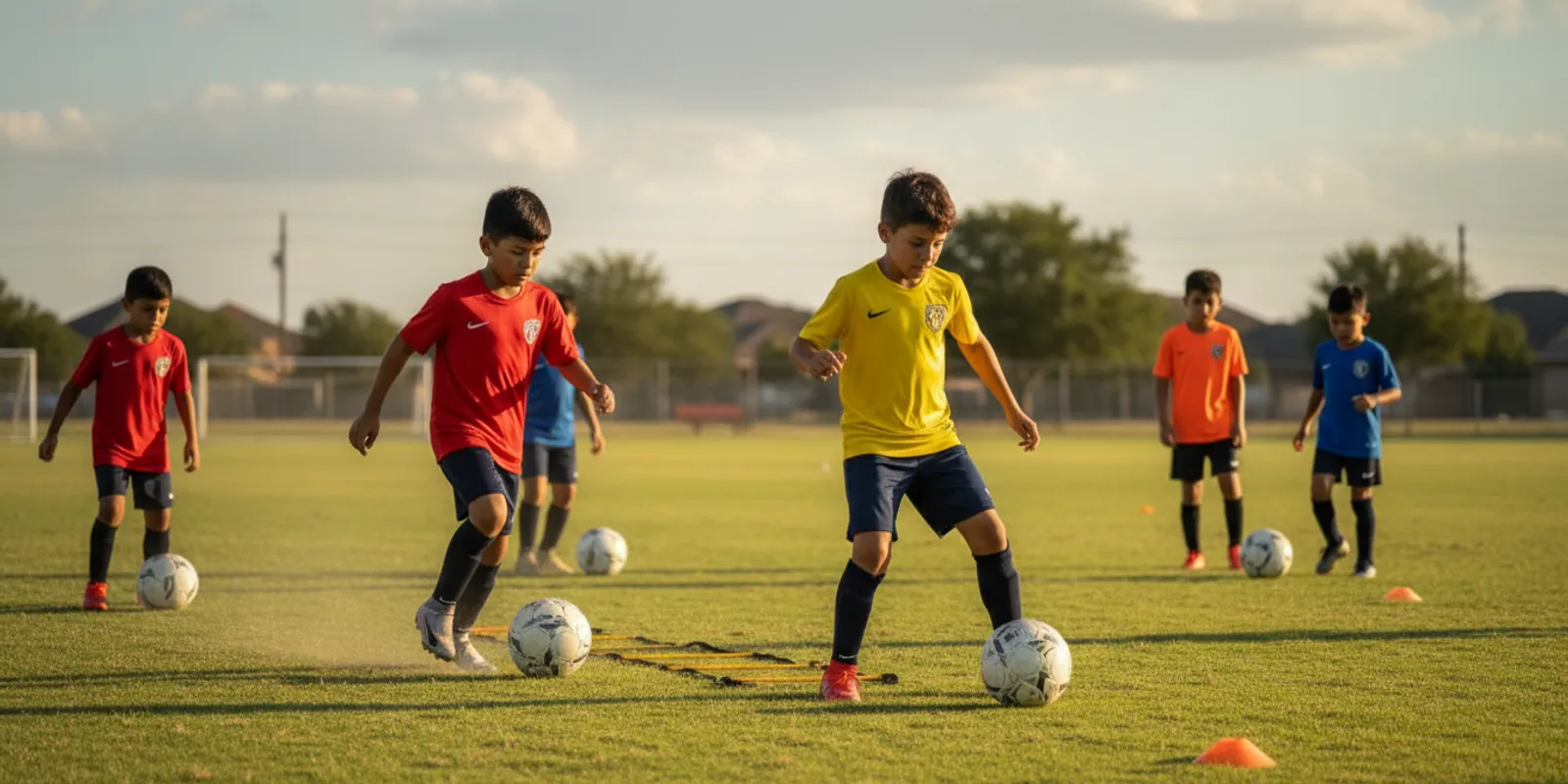
Technical ability develops through regular, focused practice. Year-round training gives players more time to improve their first touch, passing, dribbling, shooting, ball control, and defending instead of trying to fix several weaknesses during a short preseason.
Consistent training also lets coaches introduce skills in stages. For example, a player may begin by receiving the ball under light pressure, then progress to turning away from a defender, combining with teammates, and making the next play at speed. Repetition helps these movements become more natural during matches.
Foro’s skills development program covers technique, creativity, dribbling, touch, shooting, attacking, defending, speed, coordination, and overall ball mastery. Players can use regular sessions to identify specific areas for improvement and build greater control and confidence with the ball.
Improve fitness, speed, agility, endurance, and injury prevention
Soccer requires more than technical skill. Players must accelerate, stop, change direction, repeat high-intensity runs, and remain effective late in a match. A year-round program can develop these physical qualities gradually, rather than asking athletes to reach game fitness in a few weeks.
A complete plan may include speed work, agility drills, strength training, conditioning, mobility, and recovery. It should also account for the player’s age, training history, match schedule, and physical readiness. Gradual progression helps athletes prepare for competition while reducing unnecessary strain.
Foro SC provides access to FPA Performance and EXOS training, with support that includes evaluation, training, nutrition, injury prevention, and recovery. This gives players a chance to understand how preparation away from the ball affects movement, fitness, and performance on the field.
Strengthen tactical awareness and decision-making
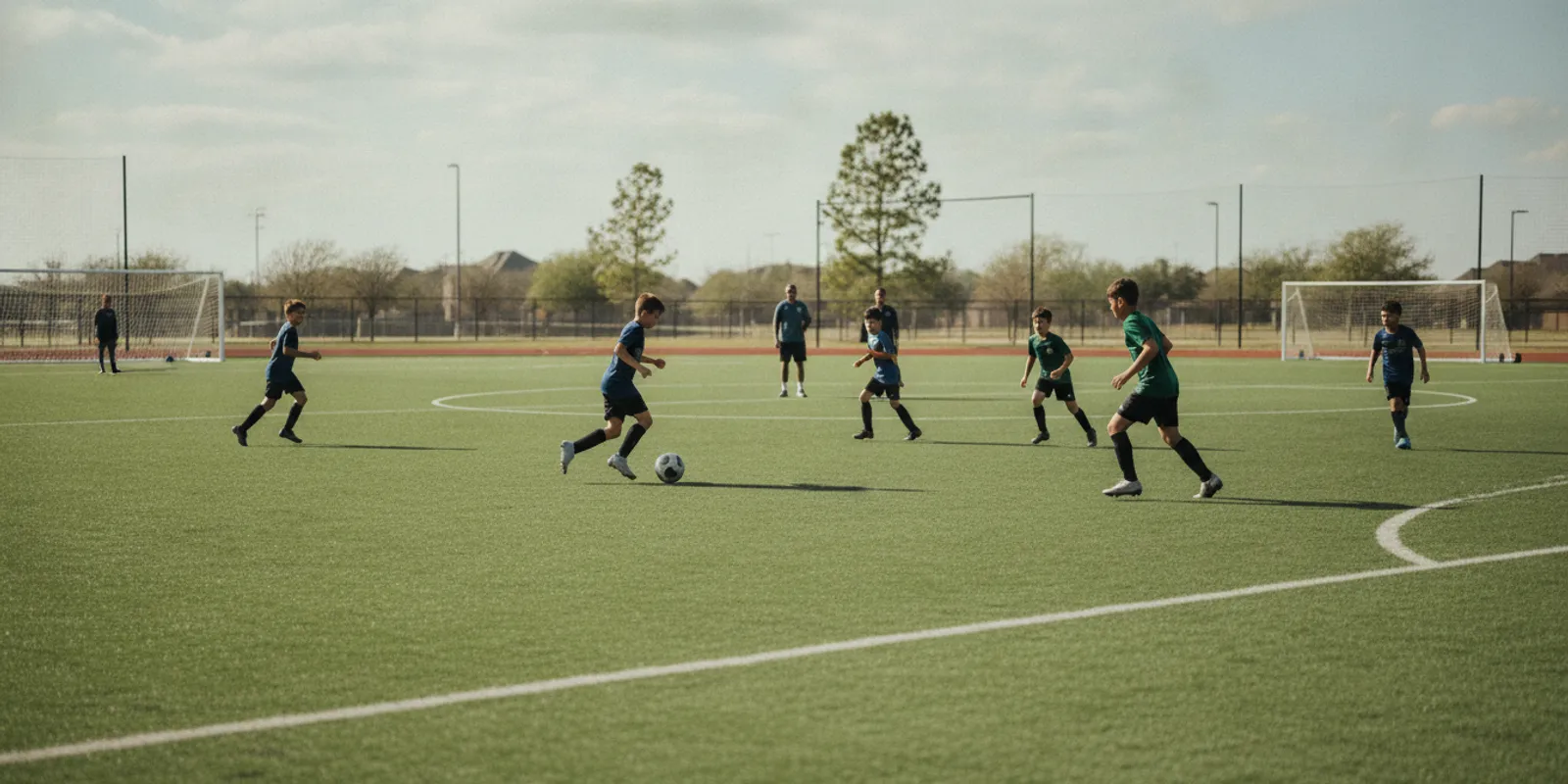
A player can have excellent ball skills and still struggle without a clear understanding of when to pass, dribble, press, drop, or change the point of attack. Year-round training gives coaches more time to teach these decisions through small-sided games, positional exercises, team tactics, and full-match scenarios.
Repeated exposure to game situations helps players recognize patterns. They may learn to read pressure before receiving the ball, find space away from the play, support teammates at the right angle, and respond when an opponent changes shape. These abilities develop through guided practice and useful feedback.
Foro SC’s player-development approach focuses on developing complete players through experienced coaching. The program connects technical work to tactical choices, helping athletes understand not only how to execute a skill, but also when and why to use it during competition.
Build confidence, teamwork, resilience, and competitive readiness
Regular training can shape how players respond to challenges. When athletes practice difficult skills, receive clear feedback, and see gradual progress, they often become more willing to take initiative during games. Confidence does not mean avoiding mistakes. It means staying involved and making the next decision after one.
Team training also teaches communication, responsibility, and trust. Players learn to support teammates, accept different roles, respond to coaching, and contribute even when they are not having their best performance. Competitive matches add another layer by helping athletes manage pressure and adjust after wins, losses, or limited playing time.
Through Foro Skills training, players work on confidence, skill development, and a lasting connection to soccer. A year-round environment gives athletes regular chances to test their preparation against strong opponents and build the habits needed for competitive play.
Balance training with planned rest and recovery
More training is not automatically better training. Players need time to recover physically and mentally, especially when they are also managing school, tournaments, travel, and other sports. A responsible year-round program should include rest days, lighter sessions, seasonal adjustments, and guidance for recognizing fatigue.
Parents can ask how a program handles busy schedules and whether coaches account for matches and tournaments when planning sessions. Players should also learn practical recovery habits, including sleeping well, eating regular meals, staying hydrated, warming up, cooling down, and reporting pain early.
Camps and showcases can be useful, but they should support a broader development plan rather than replace one. As Chasing the Game explains, these events work best when they are targeted and connected to a player’s larger goals. Planned recovery helps athletes stay healthy enough to benefit from regular training.
Access FPA Performance and EXOS fitness support
Performance training can give players a more complete plan for improving how they move, prepare, and recover. Instead of treating strength, nutrition, injury prevention, and recovery as separate concerns, a performance system connects them to the physical demands of soccer.
With evaluation and ongoing guidance, players may better understand their current strengths, movement habits, areas for improvement, and physical goals. Coaches can use that information to shape training that is appropriate for the athlete, rather than relying on the same routine for every player.
Foro SC highlights its use of the EXOS performance system, which is used in professional sports training. Through optional FPA Performance sessions and pro fitness training, players can add structured physical preparation to their soccer development. Families should confirm which sessions are included, what they cost, and how the schedule fits with team training, school, and recovery.
Is Year-Round Soccer Training Right for Your Child?
Year-round soccer training can help a player develop steadily, but it is not the right fit for every child. The best program should match your child’s age, ability, goals, schedule, and interest in the game. A strong fit should provide meaningful challenges without making soccer feel like a chore.
Before committing, look beyond the number of weekly sessions. Consider the coaching environment, playing opportunities, recovery time, family logistics, and total cost. A free evaluation or tryout can help your child and the club determine whether the program, team level, and commitment are appropriate.
It is also important to involve your child in the decision. Ask what they enjoy about soccer, what they want to improve, and how they feel about a more demanding schedule. A player who feels heard is more likely to stay engaged and take ownership of their development.
Match training to age and development
Young players need training that builds skills while keeping the game enjoyable. For children ages 13 and under, Foro Skills offers fun, engaging classes that develop the essential skills players need to participate and enjoy soccer. At this stage, sessions should focus on dribbling, passing, receiving, shooting, coordination, and confidence with the ball.
Older players may be ready for more structured technical, tactical, and physical training. Even then, the program should remain age-appropriate. Coaches should adjust the pace, intensity, and expectations based on each player’s maturity and experience.
Ask how the club groups players, tracks progress, and changes training as athletes develop. A good program gives children room to improve without placing unnecessary pressure on them. If your child is losing interest or regularly feels overwhelmed, the training level may need to be adjusted.
Find the right level: beginner to pre-professional
Not every player needs the same type of year-round program. A beginner may benefit from small-group instruction that builds comfort and basic technique. An experienced player may need more demanding training, stronger competition, and detailed feedback on positioning and decision-making.
FORO Sports Club provides small-group and individual training for boys and girls ages five and older. Sessions are organized by age and skill level, which can help players receive instruction suited to their current needs.
Ask how the club places players and what happens when a child’s ability changes. Find out whether the program offers recreational development, competitive teams, and pre-professional opportunities. The right level should challenge your child while still allowing them to contribute, learn, and enjoy training.
Align training with recreational, competitive, college, or professional goals
Your child’s goals should guide the program you choose. A recreational player may want regular skill development and enjoyable games. A competitive player may be looking for stronger opponents, frequent matches, and a more detailed development plan.
Families with college or professional goals should ask what support the program provides beyond team practices. For example, Foro Skills’ seasonal program includes daily training, practice with Foro SC under Michel Garbini, a personalized recruiting file, and a professionally edited highlight video.
That support can be valuable for players who are ready to take recruiting seriously, but it is not necessary for every athlete. Talk with your child about what they want from soccer, then compare programs based on that goal. A player who wants to enjoy the sport may not need the same schedule or competitive pressure as someone pursuing college recruitment.
Use free evaluations and tryouts for placement
A tryout gives your child a chance to experience the coaching style, training pace, and team environment before your family commits. It also helps coaches assess technical ability, fitness, decision-making, and positional awareness.
Ask whether the evaluation includes feedback and how the club uses the results. A placement conversation should explain which team or training group fits your child and which skills they should continue developing. If the club offers multiple levels, make sure the recommendation focuses on fit and growth, not simply placing every player on the most advanced team.
Foro SC offers free evaluations and tryout opportunities, including opportunities connected with FPA scholarships. Use the session to ask practical questions, observe how coaches communicate with players, and see whether your child feels comfortable participating. Their response matters as much as the coach’s assessment.
Assess the weekly schedule, five-day commitment, and family availability
Year-round training requires more than finding open space on a calendar. Review the full weekly schedule, including practices, games, travel, schoolwork, meals, sleep, and family time. A schedule that looks manageable on paper can feel very different once commuting and weekend competition are included.
Some programs offer training Monday through Friday, with one-hour sessions scheduled between 4:30 p.m. and 6:30 p.m., according to FORO Sports Club’s training information. A five-day commitment may suit a highly motivated player, but it may not work for a child balancing school, another sport, work, or family responsibilities.
Ask how often attendance is expected, whether missed sessions can be made up, and how game travel affects the schedule. Be honest about what your family can sustain. Consistent attendance matters, but an unrealistic commitment can create stress for everyone.
Balance school, other sports, enjoyment, rest, and burnout prevention
Training can support development without taking over a child’s life. Build a weekly plan that protects schoolwork, sleep, meals, friendships, and unstructured time. If your child plays another sport, compare the combined practice and competition schedule before adding year-round soccer.
Watch for signs that the workload is too high, including persistent fatigue, irritability, recurring aches, declining school performance, or a sudden loss of interest. Rest days support development by giving the body time to recover and helping players return to training with focus.
Consider the full financial and practical commitment, too. As Chasing the Game explains, the advertised club fee is only one part of the cost. Uniforms, travel, tournaments, equipment, and optional training can add up quickly. Choose a program your family can support without making every season feel like a burden.
What Should Parents Compare in a Year-Round Soccer Program?
Choosing a year-round soccer program involves more than comparing monthly fees and practice times. Parents should consider the complete development experience, including coaching quality, training content, competition, player support, scheduling, and total cost. A strong program should challenge players while providing age-appropriate instruction, useful feedback, planned recovery, and a positive environment.
The best fit depends on your child’s goals and current level. A program designed for recreational players may not offer enough competition for an athlete targeting college or professional soccer. Likewise, an intense schedule may not suit a player who needs more flexibility for school, other sports, or recovery. Ask for specific details, observe a session when possible, and compare each program against your family’s priorities.
Foro Soccer Club offers Dallas-Fort Worth players year-round training, free evaluations and tryouts, multiple competitive leagues, and connections to professional development. Families can review the club’s about page and use the questions below to compare the program with other local options.
Check coaching licenses, credentials, and youth-development experience
Start with the coaching staff. Ask whether coaches hold recognized soccer licenses, performance certifications, or other relevant credentials. Certifications do not guarantee excellent coaching, but they can show that a coach has studied player development, session planning, safety, and sport-specific training. U.S. Soccer’s coaching education program provides helpful context on licensing and coach education.
Experience with the appropriate age and ability level matters, too. Coaching a beginner requires a different approach from preparing an advanced player for college, semi-professional, or professional opportunities. Ask how long each coach has worked with your child’s age group, what teams they have led, and how they adapt sessions for different abilities.
Look for positive coaching, clear communication, safety, and accountability
Pay attention to how coaches interact with players during training. Do they explain instructions clearly, offer useful feedback, and encourage questions? Do they correct mistakes without embarrassing players? A positive coach can maintain high standards while helping athletes feel comfortable trying new skills and making decisions under pressure.
Communication with parents matters as well. Ask how the club shares schedules, attendance expectations, injuries, team updates, and performance concerns. Safety procedures should address supervision, emergencies, severe weather, injuries, and return-to-play requirements. Guidance on positive youth coaching can help families identify healthy coaching practices.
Compare technical, tactical, and game-based training
A complete program should develop more than a player’s ability to dribble through cones. Technical training may cover first touch, passing, receiving, dribbling, shooting, finishing, and defending. Tactical training helps players read the field, create space, support teammates, press, build attacks, and make decisions during matches.
Ask how often players practice these skills in realistic game situations. Small-sided games and decision-making activities help athletes connect technique with tactical awareness. Foro’s skills training includes work on touch, creativity, dribbling, shooting, attacking, defending, speed, coordination, and ball mastery.
Ask about individual feedback and measurable goals
Find out how coaches track player development. Progress may include stronger passing under pressure, better weak-foot control, improved defensive positioning, faster recovery runs, or more confident decisions during matches. The program should be able to explain what players are working toward and how coaches measure improvement.
Ask whether players receive individual feedback, written evaluations, one-on-one meetings, or development targets. Goals should be specific enough to guide practice. “Become a better player” is broad, while “improve non-dominant-foot passing during small-sided games” gives the athlete a clearer focus. Ask how often coaches review goals and adjust them as the player develops.
A coach’s character also affects the development environment. Fairness, empathy, consistency, and conscientiousness are important qualities in youth coaching, as explained in these traits of successful youth coaches.
Evaluate facilities, recovery resources, and performance support
Compare field quality, lighting, indoor options, parking, equipment, bathrooms, and weather plans. Then ask what resources support recovery and help reduce injury risk. These may include warm-up guidance, mobility work, strength training, nutrition education, athletic training, or return-to-play support.
Performance services should match the player’s age and training load. Younger athletes may need movement fundamentals, while advanced players may benefit from structured speed, strength, conditioning, and recovery work. Ask who delivers these services, what qualifications they hold, and whether the cost is included.
Foro SC offers optional FPA Performance and EXOS training. Families should confirm the current schedule, eligibility requirements, pricing, and how these sessions fit alongside team practices and matches.
Compare teams, leagues, tournaments, travel, and playing opportunities
A program’s competition schedule can shape development as much as its training sessions. Ask which teams are available, how rosters are formed, how playing time is handled, and whether players can move between teams as they progress. Review the number of league matches, tournaments, showcases, open-cup opportunities, and friendly games included.
Travel also affects cost, school, family time, and recovery. Request a sample calendar before registering. Ask whether travel is required, how far teams typically go, and which expenses families cover for transportation, lodging, meals, and tournament fees.
Playing opportunities should be explained clearly. A high-level team may offer valuable competition, but every player may not receive the same minutes, position, or exposure. Ask how coaches balance competitive results with individual development and how they communicate each player’s role.
Explore Foro SC teams, APSL, UPSL Premier, and The League for Clubs
Foro SC competes in the APSL, UPSL Premier, and The League for Clubs. These leagues give players access to different competitive environments and may help the club place athletes according to their experience, ability, position, and goals. Ask which league best fits your child and how roster decisions are made.
Review each team’s training frequency, match schedule, travel range, roster size, fees, and playing expectations. It is also worth asking whether players can train with another team or move into a different competitive setting during the year.
Foro’s honors and competitive history include conference championships, a UPSL national championship, national-final appearances, and Lamar Hunt U.S. Open Cup victories over professional clubs. Those results reflect the level of competition available, but families should still focus on individual fit, coaching, feedback, and the player’s role.
Calculate costs beyond the advertised fee
The registration price is only one part of the annual expense. Request a complete fee sheet and mark each item as required, optional, estimated, or billed separately. This helps you compare the actual cost of participation instead of focusing only on the lowest advertised number.
Include training fees, registration, uniforms, league dues, tournament entry, coaching charges, facility fees, and team events. For travel teams, estimate fuel, flights, hotels, meals, parking, and time away from work. Private lessons, small-group training, performance sessions, and camps may add to the yearly total.
A higher fee does not automatically mean better coaching or development. Compare the value provided through instruction, competition, player support, schedule, and playing opportunities. The right program should offer benefits that match your child’s goals and your family’s budget.
Include registration, uniforms, travel, tournaments, and optional training
Ask for an itemized list before signing an agreement. Registration may cover only part of the season, while uniforms, insurance, league fees, tournament costs, and facility charges may appear separately. Confirm whether players need multiple kits, warmups, bags, or training apparel, and ask how often those items must be replaced.
Travel costs can vary depending on the team’s competition level. Ask how many tournaments the team usually attends, where they are held, and whether families must stay at designated hotels. Several overnight events can change the total cost considerably.
Optional training deserves its own budget line. Individual coaching, small-group instruction, camps, and performance sessions may be useful, but families should not feel pressured to purchase every add-on. This youth soccer cost guide offers a useful reminder to account for expenses beyond the advertised program fee.
Compare Foro SC academy and non-academy session packages
Ask Foro SC to explain the differences between its academy and non-academy session packages. Compare session length, frequency, coaching staff, player capacity, training goals, age or skill requirements, and access to additional services. Confirm whether each package includes team training, technical work, performance training, evaluations, or match opportunities.
A package with more sessions is not automatically the better choice. Consider whether your child can attend consistently and recover between practices and games. Foro’s skills information lists one-hour sessions from Monday through Friday during afternoon training times. Confirm the current schedule, locations, and package details directly with the club.
Ask whether players can move between packages as their needs change. Also confirm the process for missed sessions, schedule conflicts, pauses during another sport, and progress feedback. These details can help your family select the right level without paying for sessions your child cannot use.
Review payment plans, financial assistance, and cancellation policies
Ask whether the club offers monthly installments, seasonal payments, early-payment discounts, or separate billing for optional services. Confirm due dates, automatic payment rules, late fees, and whether deposits are refundable. Written details make it easier to plan for a year-round commitment.
Families should also ask about financial assistance. Some programs offer scholarships, reduced fees, payment arrangements, or equipment support. Eligibility rules and deadlines vary, so request the policy in writing and confirm whether assistance applies to registration, uniforms, travel, tournaments, or performance training.
Read cancellation and withdrawal terms before paying. Find out what happens if a player is injured, moves, changes schools, or cannot continue because of a schedule conflict. Ask whether unused sessions can be transferred, paused, or refunded. Payment plans may spread seasonal fees across several months, as explained in this youth soccer payment guide.
Remember that higher cost does not guarantee better development
Price may reflect competition level, facilities, staff experience, training frequency, or the number of services included. It does not prove that a program is the best fit for your child. A more expensive club may offer excellent opportunities, but only if the coaching, schedule, competition, and environment match the player’s needs.
Compare the daily experience, not just the club’s reputation. Ask how players improve, how coaches communicate, how playing opportunities are assigned, and whether families understand the development plan. A less expensive option may be more suitable if it provides consistent coaching, appropriate competition, a manageable commute, and enough time for rest.
Be cautious of promises that guarantee professional contracts, college offers, or exposure. Development depends on many factors, including health, effort, consistency, decision-making, and future opportunities. Foro’s Foro to Pro pathway highlights connections to players and coaches who reached the professional level, but families should ask what steps are available for their individual player.
Ask key questions before committing
Before enrolling, request clear answers to the questions that affect your family most:
Which team, league, and age group best fit my child?
Who will coach the team, and what licenses or experience do they have?
How many practices, matches, tournaments, and travel events are expected?
How are rosters selected, and how is playing time handled?
What feedback and progress reviews will players receive?
Which fees are required, and which services are optional?
Are uniforms, tournaments, travel, and performance sessions included?
What payment plans or financial assistance are available?
What happens if the player is injured or cannot attend?
Can the player train with another team or change levels during the year?
Compare the answers with your child’s goals, school schedule, other activities, recovery needs, and enjoyment of the sport. Families considering Foro SC can review its membership and evaluations information, then confirm current training packages, locations, team options, schedules, and total costs before enrolling.
How Can Families Find and Join the Right Year-Round Soccer Program?
Choosing a year-round soccer program takes more than comparing practice times and registration fees. Families should consider the full player experience, including coaching, competition, training frequency, facilities, travel, recovery, and communication. The right program should challenge your child while leaving enough room for school, rest, family time, and enjoyment.
For Dallas–Fort Worth families, a simple checklist can make the process more manageable. Research local clubs, visit a training session, ask direct questions, and use evaluations or tryouts to see where your child fits. Start by reviewing Foro Soccer Club’s programs and player pathway to understand how its year-round training, competitive teams, and performance resources may align with your child’s goals.
Do not choose a club based on one feature alone. A strong competitive record matters, but so do daily coaching, player development, schedule, cost, and the quality of the environment. Your child should understand the commitment and feel motivated to participate. Parents should also feel comfortable asking for details before enrollment and checking in regularly after training begins.
Research Dallas–Fort Worth programs and verify details
Create a short list of year-round soccer programs in the Dallas–Fort Worth area. Review each club’s website for information about age groups, teams, coaches, training locations, leagues, tryouts, and membership requirements. Pay attention to the level of play offered. Some programs focus on recreational players, while others serve competitive, amateur, and semi-professional athletes.
Verify important details directly with the club instead of relying on an outdated social media post or third-party listing. Ask when the season begins, how often teams train, and whether players can attend additional technical or performance sessions. Families considering Foro SC can review its club information before contacting staff. This can help you prepare focused questions about the training model, player expectations, and available teams.
Compare Irving and Plano locations, commutes, and facilities
Location can affect attendance, energy, and family routines, especially when a player trains several days each week. Compare the commute from home, school, and work to facilities in Irving or Plano. A shorter drive may make it easier for your child to arrive prepared and maintain consistent attendance throughout the year.
Look beyond the address when comparing facilities. Ask about field quality, lighting, weather policies, equipment, changing areas, and access to strength or recovery resources. Foro SC families should confirm which sessions take place at each location and whether specific teams use particular facilities. Players interested in additional preparation can review the club’s Train Like a Pro program to learn how FPA Performance and EXOS training may fit into the weekly schedule.
Read reviews and assess each program’s reputation
Reviews can reveal patterns in communication, organization, coaching, and player treatment. Read feedback from both parents and athletes, but consider the context behind each comment. One negative review may reflect a single situation, while repeated concerns about unclear fees, scheduling, or communication deserve closer attention.
A club’s reputation should also include its competitive history and player outcomes. Look for evidence that teams compete at an appropriate level and that the organization supports player development consistently. Foro SC publishes its honors and competitive accomplishments, including 10 conference championships, the 2021 UPSL national championship, four national-final appearances, and victories over professional clubs in the Lamar Hunt U.S. Open Cup. These achievements provide useful context, but families should consider them alongside the quality of everyday training.
Visit a session and observe the coaching environment
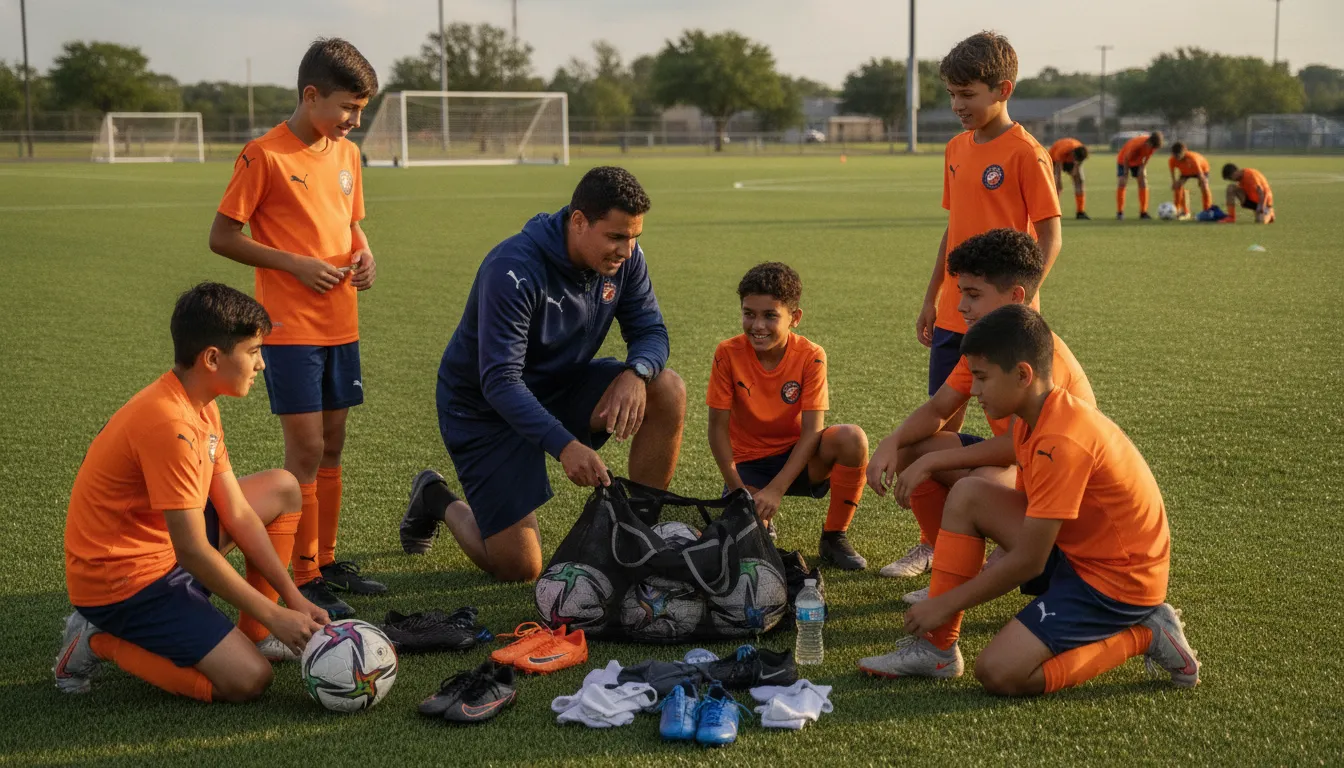
If possible, attend a training session before committing. Watch how coaches explain activities, correct mistakes, organize the group, and manage different skill levels. Effective coaches set clear expectations and give specific feedback players can apply immediately. They should challenge athletes without creating an environment based on fear or embarrassment.
Notice how involved the players are. Are they getting frequent touches on the ball? Do activities include decision-making and game situations? Does the session move efficiently, or do players spend long periods waiting in line? Ask whether coaches discuss individual progress with players and parents. A single visit cannot answer every question, but it can show whether the coaching style suits your child’s personality, learning preferences, and goals.
Review Foro SC’s competitive record and Foro to Pro pathway
Players seeking a serious challenge should examine a club’s competition history and advancement opportunities. Foro SC competes in the APSL, UPSL Premier, and The League for Clubs, giving players access to organized competition at multiple levels. Ask which team may suit your child and how players can move between teams as their ability and experience develop.
Foro SC also offers a Foro to Pro pathway connected to 18 players and coaches who reached the professional level. Ask what the pathway involves in practice, such as training expectations, performance preparation, exposure opportunities, and guidance for players pursuing professional or national-team opportunities. No club can guarantee a professional contract. A clear process can, however, help athletes understand the standards, preparation, and choices involved in pursuing that goal.
Use free evaluations and tryouts to confirm fit
A free evaluation or tryout lets your child experience the program before joining. It also gives coaches an opportunity to assess technical ability, fitness, tactical understanding, attitude, and current readiness. Encourage your child to play naturally and make good decisions instead of attempting difficult moves simply to impress the staff.
After the session, ask for clear feedback. What does your child do well? Which skills need attention? Which team or training group appears to be the best fit? Foro SC provides membership information, evaluations, and tryouts, allowing families to learn more before making a commitment. If the initial placement is not what your child expected, ask whether the club can recommend a development plan or schedule a future reassessment.
Confirm the team, league, schedule, commitment, and total cost
Before enrolling, request a complete outline of the commitment. Confirm the team, league, training days, match schedule, expected travel, tournament plans, and attendance requirements. Ask how Foro SC’s five-day training pathway works, including which sessions are required and which are optional.
Review the total cost instead of focusing only on the advertised membership fee. Include registration, uniforms, league fees, tournament expenses, travel, private training, performance sessions, and equipment. Ask about payment plans, cancellation terms, refunds, and financial assistance. Families should also clarify how schedule changes are communicated and what happens when school, illness, work, or other responsibilities prevent attendance. A written cost and schedule breakdown can prevent surprises later.
Complete Foro SC membership and enrollment
Once your family has confirmed the team and commitment, complete the club’s membership and enrollment steps. Gather required player information, identification, medical forms, waivers, and registration documents before starting. If your child is moving from another club, ask whether a transfer or release process applies.
Use the enrollment conversation to confirm practical details one more time. Ask where the first session will take place, what equipment the player needs, when uniforms are ordered, and who to contact with scheduling questions. Families can begin through Foro SC’s membership and evaluation page. Keep copies of payment confirmations, registration forms, and club policies so you can quickly reference them throughout the season.
Set development goals and schedule regular progress check-ins
After joining, help your child set a few specific goals for the season. These could include improving the first touch under pressure, completing more passes with the weaker foot, making quicker decisions, improving recovery habits, or communicating more consistently during matches. Goals should focus on actions the player can control, rather than only goals, wins, selections, or future contracts.
Schedule occasional check-ins with your child and, when appropriate, the coaching staff. Ask what has improved, what still feels difficult, and whether the training load remains manageable. Keep the conversation supportive and let your child take ownership of the process. A year-round program works best when training, competition, school, recovery, and personal motivation remain connected.
Frequently Asked Questions
What are the main benefits of year-round soccer training? Players get regular opportunities to improve technical ability, fitness, tactical understanding, decision-making, and match confidence. Consistent coaching also makes it easier to set clear goals, track progress, and prepare for stronger competition.
How many days per week should a player train? The right schedule depends on age, experience, goals, school demands, and recovery needs. Advanced players may benefit from a five-day pathway, while younger or less experienced athletes may need fewer sessions. Ask the club which sessions are required and how rest is built into the schedule.
Is year-round training appropriate for every child? Not always. It can suit players who enjoy regular practice and want steady development, but the program should match the child’s ability, motivation, health, and available time. A free evaluation or tryout can help determine whether the team level and commitment are suitable.
What should families ask before joining a soccer program? Ask about coaching experience, team placement, league competition, playing expectations, practice frequency, travel, total costs, recovery support, and feedback for players. Families should also confirm which services are included and which, such as FPA Performance or EXOS sessions, are optional.
How can Dallas-Fort Worth players try out for Foro Soccer Club? Players can begin with a free evaluation or tryout through Foro SC. Families can also review the club’s teams and leagues, training options, locations in Irving and Plano, and the Foro to Pro pathway before contacting the club.
Comments